Hotels in Marseille: Where to Stay in 2025
Updated 28 August 2026 · 257 real hotels
Marseille rewards visitors who choose their base carefully. The Vieux-Port and Le Pharo areas offer the most atmospheric stays, with easy access to the sea, restaurants, and historic landmarks. For a more urban, forward-looking vibe, La Joliette and the Euromed district are polished, well-connected alternatives.
Your stay in Marseille, in one conversation
Charlize builds hotels, activities and dining around your wishes, dates and budget.
Where to stay on any budget?
A real selection, real prices, from the most affordable to the showstopper.


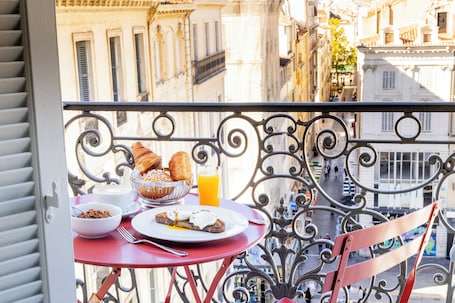
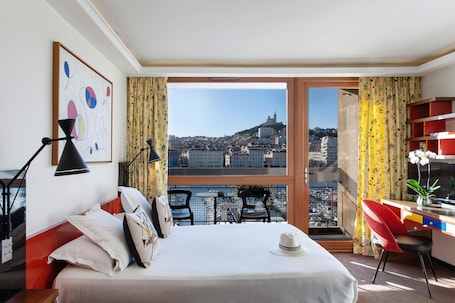
| Hotel | Area | Rating | Price / night |
|---|---|---|---|
| Appart'City Classic Marseille Euromed ★★★ | Marseille | ★ 3.8 | 57 €/nuit |
| Appart Hotel Odalys City Marseille Le Dôme ★★★ | Marseille | ★ 3.9 | 57 €/nuit |
| Residhotel Grand Prado ★★★ | Marseille | ★ 3.8 | 58 €/nuit |
| B&B HOTEL Marseille Parc Chanot ★★ | Marseille | ★ 3.9 | 61 €/nuit |
| easyHotel Marseille Euromed ★★ | Marseille | ★ 4.2 | 66 €/nuit |
| Odalys City Apartment Hotel - Marseille Centre Parc Chanot Vélodro ★★★ | Marseille | ★ 4.1 | 70 €/nuit |
| B&B HOTEL Marseille Centre La Joliette ★★★ | La Joliette | ★ 3.8 | 72 €/nuit |
| B&B HOTEL Marseille Vélodrome Prado ★★★ | Marseille | ★ 4.2 | 75 €/nuit |
| Hotel Les Cigalons | Marseille | ★ 3.8 | 76 €/nuit |
Marseille is France's oldest city and its most misunderstood. Founded by Greek sailors around 600 BC, it faces the Mediterranean with the confidence of a place that has never needed outside approval. The light here is sharper than in Paris, the food more honest, and the pace genuinely its own. Staying in Marseille means waking up to ferry horns, fish markets, and a skyline punctuated by the golden statue of Notre-Dame de la Garde watching from the hill above.
The city is large and geographically varied, so your neighborhood choice shapes your entire experience. The historic core around the Vieux-Port is walkable, lively and packed with character. Moving west toward Le Pharo, things quiet down fast, with sea views and garden walks replacing the market crowds. North of the center, the Euromed regeneration zone around La Joliette has become a serious business and design district, anchored by the MUCEM museum complex and well served by the metro. Wherever you land, Marseille delivers something few French cities can match: the feeling of a real, working Mediterranean port city.
Which area to stay in Marseille?
- Vieux-Port: The historic heart of the city, ideal for first-time visitors and anyone who wants to walk everywhere. Restaurants, the Canebière boulevard, the ferry to the Château d'If, and the daily fish market are all within steps. Lively until late.
- Le Pharo: A quieter, residential promontory just west of the Vieux-Port, with sweeping views over the harbor entrance. Good choice for travelers who want proximity to the center without the noise, and for those visiting the nearby Vallon des Auffes calanque inlet.
- La Joliette / Euromed: The regenerated northern waterfront, home to the MUCEM, the Villa Méditerranée, and the Les Terrasses du Port shopping complex. Modern hotels, excellent metro connections, and a growing restaurant scene make it a smart base for business travelers and design-curious visitors.
- Castellane / Grand Prado: A central residential district popular with locals, stretching south from the main axis toward the Stade Vélodrome. Calmer than the waterfront, good metro access, and closer to the Parc Borély and the southern beaches.
- Saint-Charles (Belsunce): The area immediately around the main railway station, practical for short stays and rail travelers. Urban and dense, with a very diverse street-level culture. Ideal if you are moving on quickly rather than settling in.
- Endoume / Malmousque: A residential coastal pocket south of Le Pharo, beloved by Marseillais themselves. Rocky inlets, small beaches, and a neighborhood grocery-and-café pace. Best suited to repeat visitors who already know the city.
Good to know
- Use the metro and tram without hesitation: Marseille's RTM network covers the key areas well. Line 1 connects Saint-Charles station, the Vieux-Port, Castellane, and the Rond-Point du Prado. Line 2 reaches La Joliette in the north and the southern beaches in summer. Single tickets and day passes are available at all stations.
- Book earlier than you think necessary in summer: July and August bring very high demand, particularly for waterfront hotels. Rates climb sharply and availability near the Vieux-Port becomes tight by late spring. Shoulder season (April to June, September to October) offers better prices and comfortable temperatures for walking.
- Marseille-Provence Airport (MRS) is around 25 kilometers northwest of the city: The Navette Marseille shuttle bus runs directly to Saint-Charles station roughly every 15 to 20 minutes, with a journey time of approximately 25 minutes. It is the most cost-effective transfer option. Taxis are metered and take longer during peak hours on the A7 motorway.
- Carry cash for the Vieux-Port market and smaller restaurants: The fish market on the quai des Belges operates early morning and is cash only. Many family-run restaurants in the older neighborhoods also prefer cash or have minimum card thresholds.
- Mistral wind affects comfort and planning: Marseille is one of the windiest cities in France. The mistral blows cold and dry from the northwest, most commonly in winter and spring. It keeps the air exceptionally clear (views of the Frioul islands are stunning on mistral days) but makes terraces and clifftop walks genuinely cold. Pack a layer even in April.
What to know about hotels in Marseille?
Which area of Marseille is best for a first-time visitor?+
The Vieux-Port district is the most practical and atmospheric base for a first visit. Almost every major landmark, the ferry terminal, the main covered market (Marché des Capucins), and the best concentration of restaurants are within easy walking distance. Hotels like the Maisons du Monde Hôtel & Suites on the Vieux-Port (219 euros per night, rated 4.6/5) and the Residhotel Vieux Port (122 euros per night) sit right in this area.
What is the best time of year to visit Marseille?+
Late spring (May to June) and early autumn (September to October) are the most comfortable seasons for sightseeing. Temperatures are warm but not extreme, the sea is swimmable from June onward, and crowds are lighter than in July and August. Winter is mild by northern European standards but the mistral wind can make it feel sharper than the thermometer suggests.
How do I get from Marseille-Provence Airport to the city center?+
The Navette Marseille airport shuttle is the standard option, running to Gare Saint-Charles every 15 to 20 minutes with a journey of around 25 to 30 minutes depending on traffic. From Saint-Charles, the metro takes you directly to the Vieux-Port in about 5 minutes. Licensed taxis are available at the airport rank and cost more, particularly during rush hours.
What is a realistic hotel budget for Marseille?+
Based on currently available options, comfortable 3-star hotels start around 87 to 122 euros per night (Residhotel Grand Prado and Residhotel Vieux Port). Well-rated 4-star properties run from roughly 126 euros (RockyPop Marseille, rated 4.8/5) up to 274 euros per night for premium addresses like nhow Marseille. Budget hostels exist in the Saint-Charles area for significantly less, while boutique and design hotels in prime waterfront spots sit at the higher end.
Is Marseille safe for tourists?+
The central tourist areas, including the Vieux-Port, Le Panier, Le Pharo, and La Joliette, are generally safe and well-frequented. Like any large port city, Marseille has neighborhoods that are less welcoming after dark, particularly some areas north of the Canebière and parts of the northern arrondissements that tourists rarely have reason to visit. Standard city precautions apply: keep valuables out of sight and stay aware in busy transit hubs like Saint-Charles station.
Plan your stay in Marseille
Tell us your wish, your dates and your budget. Charlize puts together hotels, activities and tables in one conversation.
What kind of hotel in Marseille?
Where to stay by area in Marseille
Services for your stay in Marseille

Book a daytime day use in Marseille
Discover a new way to enjoy a hotel's services for a few hours during the day, with a room up to 70% cheaper than the overnight rate.
More day-use options in this city on RoomForDay.
Discover RoomForDayRoomForDay: in a few clicks, stay in the best hotels, morning, midday, afternoon, all day or early evening.