Hotels in Porto: Where to Stay in 2025
Updated 12 September 2026 · 386 real hotels
For first-time visitors, the historic centre (Sé, São Nicolau, Miragaia) puts you within walking distance of the Ribeira waterfront, Livraria Lello, and the main tram lines. Travellers who prefer a quieter, residential feel gravitate toward Bonfim or Boavista, both well connected by metro. Santo Ildefonso is a strong middle ground, lively but not overwhelmed by tourism.
Your stay in Porto, in one conversation
Charlize builds hotels, activities and dining around your wishes, dates and budget.
Where to stay on any budget?
A real selection, real prices, from the most affordable to the showstopper.
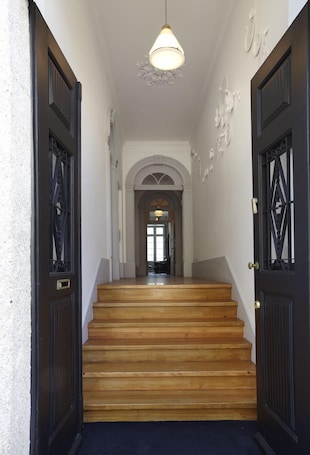

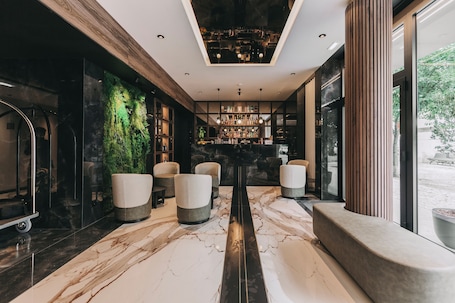
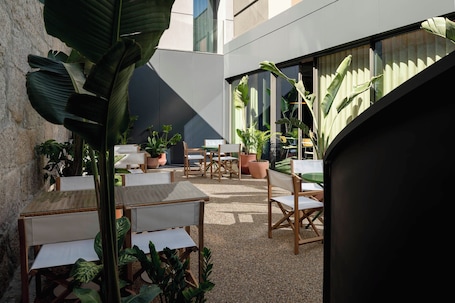
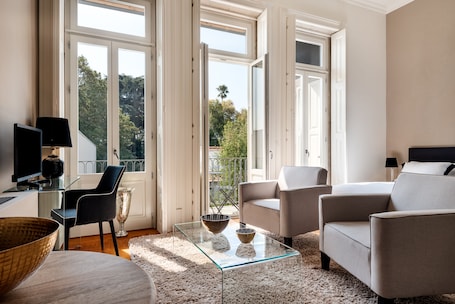
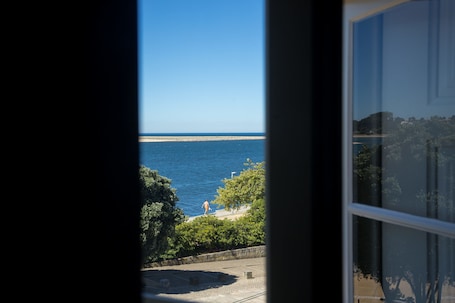
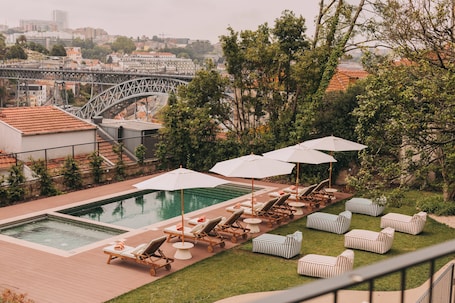
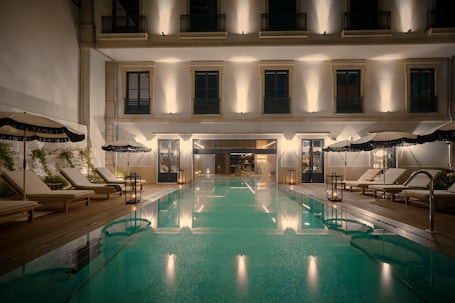
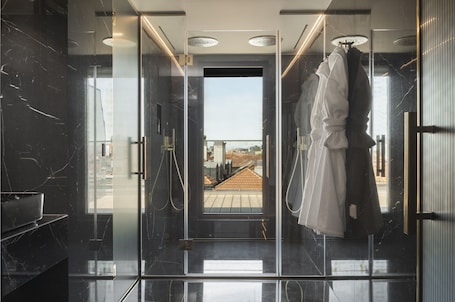
| Hotel | Area | Rating | Price / night |
|---|---|---|---|
| Mirandesa Garden ★★★ | Bonfim | ★ 3.9 | 51 €/nuit |
| GuestHouse do Marquês ★★★ | Santo Ildefonso | ★ 4.1 | 59 €/nuit |
| RVA Clérigos Apartments ★★★ | Cedofeita, Santo Ildefonso, Sé, Miragaia, São Nicolau et Vitória | ★ 4.9 | 73 €/nuit |
| House of Artists ★★★ | Cedofeita, Santo Ildefonso, Sé, Miragaia, São Nicolau et Vitória | ★ 4.2 | 74 €/nuit |
| Zero Box Lodge Porto ★★★ | Santo Ildefonso | ★ 4.6 | 76 €/nuit |
| Stay Hotel Porto Centro Trindade ★★★ | Santo Ildefonso | ★ 4.3 | 83 €/nuit |
| BO - Almada 346 | Santo Ildefonso | ★ 4.7 | 84 €/nuit |
| BO - Álvares Cabral Guest House ★★★ | Cedofeita | ★ 4.6 | 89 €/nuit |
| Hotel Acta The Avenue ★★★★ | Bonfim | ★ 4.6 | 93 €/nuit |
Porto rewards slow travel. Built across steep granite hillsides above the Douro River, the city layers centuries of azulejo-tiled churches, iron bridges, and port-wine cellars into a compact, walkable core. Unlike many European capitals, Porto still feels genuinely Portuguese: the bakeries, fado bars, and neighbourhood tascas serve locals first and tourists second.
Staying here means navigating hills, so your choice of neighbourhood matters more than in a flat city. A hotel near the riverfront saves your legs for sightseeing rather than transit, while a base in Bonfim or Boavista trades postcard proximity for space, calmer streets, and often better value. Porto is small enough that any of the areas below keeps you within 20-30 minutes of the rest by foot, metro, or tuk-tuk.
Which area to stay in Porto?
- Sé, Miragaia, São Nicolau (Historic Centre): The classic Porto experience. Steep cobbled streets, the Cathedral, the Ribeira waterfront, and the iron Dom Luís I Bridge are all within walking distance. Ideal for first-timers and those who want maximum atmosphere with minimum transport.
- Santo Ildefonso: Positioned just above the historic core, this neighbourhood sits between the Bolhão market and the main commercial street (Rua de Santa Catarina). A practical, energetic base with good café culture and easy access to the metro at Bolhão station.
- Cedofeita: Porto's creative hub, packed with independent bookshops, concept stores, and natural-wine bars. Slightly quieter than the riverfront at night, and a favourite among returning visitors who already know the postcard spots.
- Bonfim: A residential neighbourhood east of the centre that has quietly become one of Porto's most interesting areas for food and local nightlife. Less tourist infrastructure, but authentic and increasingly popular with design-conscious travellers.
- Boavista: Porto's modern business district, anchored by the circular Rotunda da Boavista. Broader avenues, the Casa da Música concert hall, and a direct metro line to the airport make it a sensible choice for business travellers or those with early flights.
- Vila Nova de Gaia (across the Douro): Technically a separate city, but the port-wine lodges, riverside cable car, and views back toward Porto make it a compelling base. A 10-minute walk across the Dom Luís I Bridge connects you to the Porto centre.
Good to know
- Book early for spring and summer: June through September is peak season, particularly around the São João festival (late June), when the city fills quickly and prices rise sharply. If you visit in May or October you get pleasant weather with noticeably fewer crowds.
- Factor in the hills: Porto's terrain is genuinely steep in the historic centre. If you have mobility concerns or heavy luggage, check whether your hotel has lift access and how far it sits from the nearest metro or tram stop.
- Use the metro for airport transfers: The Violet Line (E) connects Francisco Sá Carneiro Airport to the city centre in around 35 minutes for approximately 2 euros. Taxis and ride-shares are faster but cost four to six times more, depending on traffic.
- Validate your transport card: Porto uses the Andante card for metro, bus, and some tram lines. Load it at any metro station and keep it topped up. Single-zone journeys cover most tourist destinations within the city.
- Consider a midweek stay: Porto has become a popular long-weekend destination from Northern Europe. Arriving Tuesday or Wednesday and leaving Sunday often means lower hotel rates and shorter queues at the most visited sites like Livraria Lello.
What to know about hotels in Porto?
What is the best area to stay in Porto for first-time visitors?+
The historic centre, covering Sé, Miragaia, and São Nicolau, is the most rewarding base for a first visit. You can walk to the Ribeira waterfront, the Cathedral, and most major landmarks without needing transport. Hotels in this cluster include the Fontinha Porto (Trademark Collection by Wyndham) at 137 euros per night and the Rosalma Hostel at 68 euros per night, covering a wide range of budgets.
When is the best time to visit Porto?+
May, June, and September offer the best combination of warm weather, long daylight hours, and manageable tourist numbers. July and August are the hottest and busiest months, with the São João festival in late June bringing the city to a peak of energy and price. Winter (November to February) is mild by Northern European standards but rainy, and many smaller restaurants and attractions reduce their hours.
What is the average cost of a hotel in Porto?+
Based on available options, Porto hotel rates span from around 68 euros per night for a well-rated hostel to over 200 euros for boutique properties with premium views or amenities. Mid-range four-star hotels generally fall between 120 and 175 euros per night. Prices are consistently higher during summer weekends and the São João festival period.
How do I get from Porto Airport to the city centre?+
The metro Violet Line (E) is the simplest and most affordable option, running directly from the airport to key central stops including Trindade and Campanhã in around 30 to 40 minutes. Taxis and app-based ride services (Uber and Bolt both operate in Porto) take 20 to 30 minutes depending on traffic and cost roughly 20 to 30 euros to the historic centre.
Is it worth staying in Vila Nova de Gaia instead of Porto itself?+
Gaia offers excellent views of Porto's skyline, direct access to the port-wine lodges, and a calmer riverside atmosphere at night. The House of Sandeman, located 1.9 kilometres from the Porto centre, is one notable option on that side of the Douro at 213 euros per night. The Dom Luís I Bridge makes crossing into Porto on foot straightforward, so the location is practical rather than isolated.
Plan your stay in Porto
Tell us your wish, your dates and your budget. Charlize puts together hotels, activities and tables in one conversation.
What kind of hotel in Porto?
Where to stay by area in Porto
Services for your stay in Porto

Book a daytime day use in Porto
Discover a new way to enjoy a hotel's services for a few hours during the day, with a room up to 70% cheaper than the overnight rate.
More day-use options in this city on RoomForDay.
Discover RoomForDayRoomForDay: in a few clicks, stay in the best hotels, morning, midday, afternoon, all day or early evening.