Hotels in Lisbon: Where to Stay in 2025
Updated 21 September 2026 · 377 real hotels
Lisbon rewards guests who stay close to its historic core. The Baixa district puts you steps from the waterfront and main squares, while Misericórdia (which includes Bica and Cais do Sodré) offers a more lived-in, creative atmosphere. Both are walkable, well-connected, and give you immediate access to Lisbon at its most authentic.
Your stay in Lisbonne, in one conversation
Charlize builds hotels, activities and dining around your wishes, dates and budget.
Where to stay on any budget?
A real selection, real prices, from the most affordable to the showstopper.
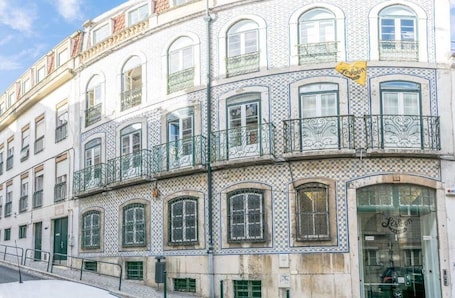
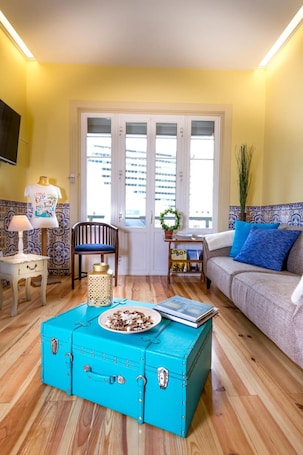
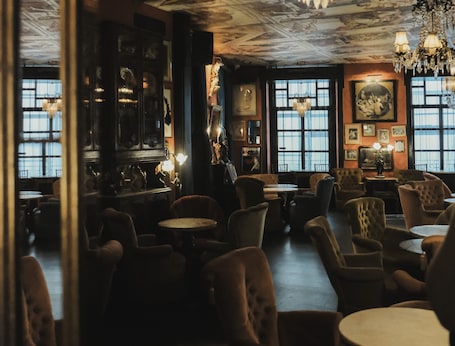
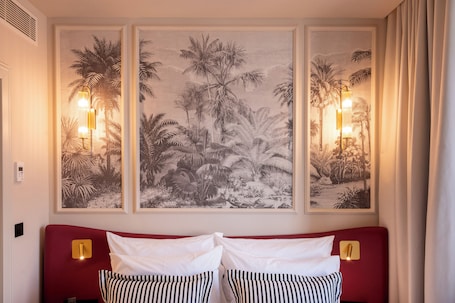
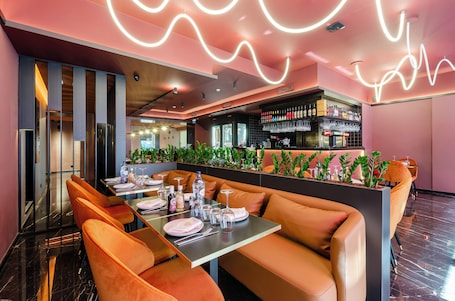
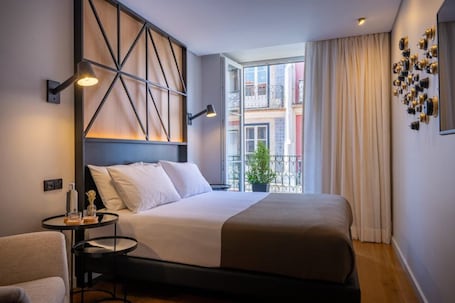
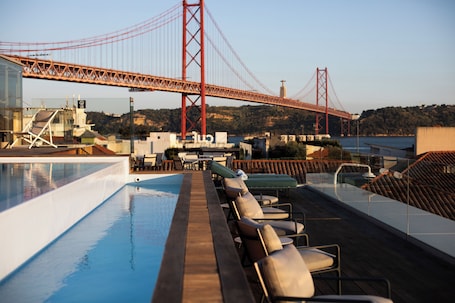
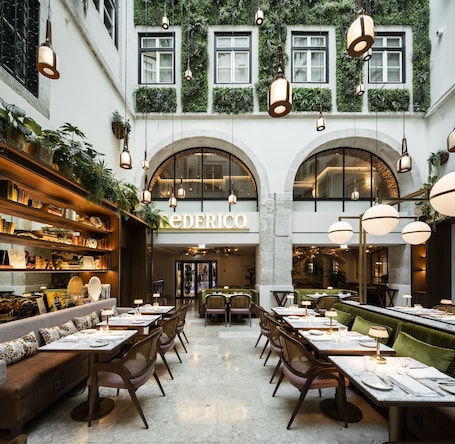

| Hotel | Area | Rating | Price / night |
|---|---|---|---|
| Pensao Residencial Camoes ★★ | Bairro Alto | ★ 4 | 50 €/nuit |
| DOME Alvares Cabral ★★★ | Príncipe Real | ★ 3.7 | 51 €/nuit |
| 161 Norte Guesthouse ★★ | Baixa | ★ 3.6 | 53 €/nuit |
| O Elétrico Guesthouse ★★★ | Arroios | ★ 4.2 | 53 €/nuit |
| Back to Lisbon Hostel ★★★ | Campo de Ourique | ★ 5 | 53 €/nuit |
| Universo Romântico Guesthouse & Spa | Centre-ville de Lisbonne | ★ 3.7 | 63 €/nuit |
| Casa Belmonte ★★★ | Centre-ville de Lisbonne | ★ 4.7 | 72 €/nuit |
| Flats Castelo - HOrigem ★★★ | Alfama | ★ 4.2 | 85 €/nuit |
| Lapa 82 Boutique Bed & Breakfast ★★ | Lapa | ★ 4.4 | 87 €/nuit |
Lisbon sits on seven hills above the Tagus estuary, and that geography shapes everything about a visit: the tram rides, the miradouros (viewpoints), the cool Atlantic breeze that softens summer heat. It is a compact capital by European standards, which means choosing the right neighborhood matters more than in sprawling cities. Get your location right and you walk to most sights; get it wrong and you spend half your day on cobblestones with rolling luggage.
The city rewards slow exploration. Morning light over the Alfama rooftops, afternoon ginjinha in a Baixa doorway, late-night fado drifting up from a Mouraria alley: Lisbon is as much a sensory experience as a sightseeing checklist. Hotels here range from centuries-old palacetes converted into boutique guesthouses to polished four-star properties on grand commercial boulevards, and the price-to-quality ratio remains favorable compared to Paris or Barcelona.
Which area to stay in Lisbonne?
- Baixa: The flat, grid-planned downtown, ideal for first-timers and anyone who wants landmarks on their doorstep. Praça do Comércio, Rua Augusta, and the Santa Justa Elevator are all within a short walk. TURIM Terreiro do Paço Hotel and Augusta Grand Hotel sit here, offering solid four-star and three-star options at mid-range prices.
- Misericórdia (Bica and Cais do Sodré): A hillside parish that blends residential Lisbon with indie bars, tiled restaurants, and the famous Bica funicular. It suits travelers who want character over convenience. Independente Bica, Cais Urban Lodge, and Pensão Amor Madam's Lodge are all located here, covering different budgets and vibes.
- Chiado and Bairro Alto: Immediately above Misericórdia, this area is Lisbon's cultural heartbeat: bookshops, fado houses, design boutiques, and rooftop bars. No dedicated hotels appear in the current data, but staying in adjacent Misericórdia puts you a five-minute walk away.
- Alfama: The oldest Moorish quarter, all steep lanes, azulejo facades, and São Jorge Castle. Atmospheric but hilly; best suited to light packers and guests who do not mind a workout between sights. Casa Belmonte, listed under the city-centre zone, sits near this district.
- Avenida da Liberdade and Marquês de Pombal: Lisbon's grand Haussmann-style boulevard, lined with luxury flagships and corporate hotels. TURIM Marquês Hotel is located in this zone. Quieter in the evenings but extremely well connected by metro.
- Costa da Caparica (10 km south): Across the Tagus, this Atlantic beach strip is a genuine alternative for guests who prioritize ocean access over urban immersion. Crowne Plaza Caparica Lisbon sits here. Expect a ferry or bus commute into the city center.
Good to know
- Book early for spring and early autumn. April to June and September to October are peak months. Rooms fill fast and prices climb. Shoulder season (March, November) offers noticeably better rates with still-pleasant weather.
- Factor in the hills. If mobility is a concern, choose Baixa or Marquês de Pombal: both are flat and metro-served. Bica, Alfama, and Mouraria involve sustained climbs on uneven cobblestones.
- Use the metro for airport transfers. The Aeroporto metro station (Red Line) connects to Baixa-Chiado in roughly 25 minutes for under 2 euros. Taxis and rideshares take a similar time but cost 10 to 20 euros depending on traffic.
- Validate your transport card. Lisbon's Viva Viagem card (reloadable) covers metro, bus, tram, and even ferries to Cacilhas. Buy it at the airport on arrival and top up as needed. Individual tickets are significantly more expensive.
- Check checkout times against your flight. Many Lisbon hotels offer 11 a.m. or noon checkout. If you have an evening flight, ask about luggage storage: the city is compact enough to fill a final afternoon without your bags.
What to know about hotels in Lisbonne?
What is the best area to stay in Lisbon for first-time visitors?+
Baixa is the most practical base for a first trip. It is flat, central, and within walking distance of the waterfront, the main shopping streets, and tram connections to Alfama and Belém. Misericórdia is a strong second choice if you want more local atmosphere without sacrificing central access.
When is the best time of year to visit Lisbon?+
April to June offers the best balance of warm weather, long daylight hours, and manageable crowds. September and October are also excellent, with sea temperatures still comfortable for swimming. July and August are the hottest and most crowded months; December to February is mild by northern European standards but can be rainy.
What is the average hotel budget for a night in Lisbon?+
Based on the hotels currently available on RoomForNight, prices range from 73 euros per night at Casa Belmonte to 178 euros at TURIM Terreiro do Paço. Mid-range four-star options such as Cais Urban Lodge (121 euros) and Pensão Amor Madam's Lodge (130 euros) represent solid value in central neighborhoods.
How do I get from Lisbon Airport to the city center?+
The metro Red Line runs directly from Aeroporto station to Oriente, then onward to Alameda where you can change for Baixa-Chiado. The full journey takes around 25 to 30 minutes and costs under 2 euros with a Viva Viagem card. Taxis and rideshares are available outside arrivals and typically cost between 10 and 20 euros.
Is Lisbon safe for solo travelers and tourists in general?+
Lisbon consistently ranks among Europe's safer capitals for tourists. Petty theft (pickpocketing on tram 28 and in crowded plazas) is the most common issue, so keep valuables secure in busy areas. The city is generally walkable at night in the main districts, including Baixa, Chiado, and Cais do Sodré.
Plan your stay in Lisbonne
Tell us your wish, your dates and your budget. Charlize puts together hotels, activities and tables in one conversation.