Hotels in Sète: Where to Stay in the Venice of Languedoc
Updated 2 September 2026 · 101 real hotels
Sète is a compact Mediterranean port city built on a narrow strip of land between the Thau lagoon and the sea, so no neighborhood is far from the water. Staying near the Grand Canal or the Vieux Port puts you closest to the fish markets, seafood restaurants, and the lively joutes nautiques culture. For more calm, the slopes of Mont Saint-Clair offer views and a quieter pace.
Your stay in Sète, in one conversation
Charlize builds hotels, activities and dining around your wishes, dates and budget.
Where to stay on any budget?
A real selection, real prices, from the most affordable to the showstopper.
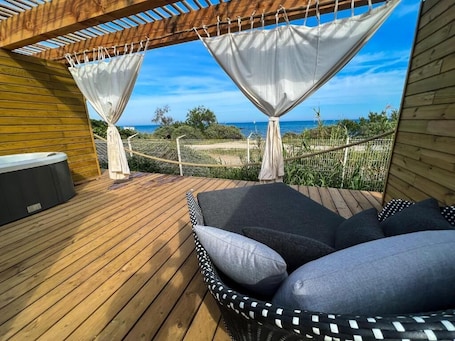
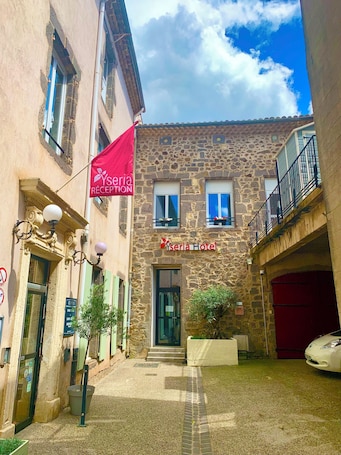
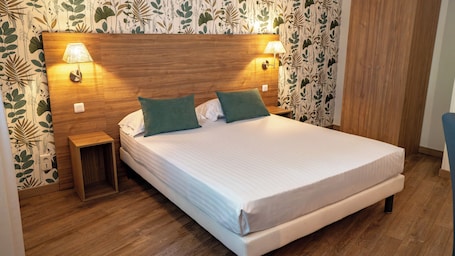
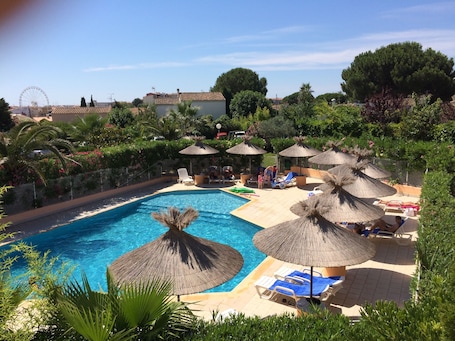
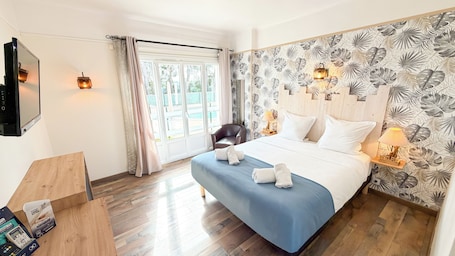

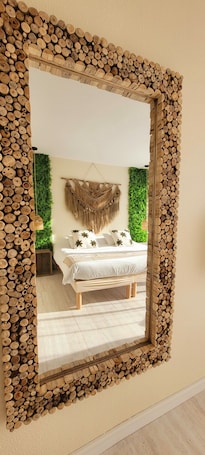


| Hotel | Area | Rating | Price / night |
|---|---|---|---|
| La Réserve ★★ | Sète : à 10,9 km | ★ 4.4 | 39 €/nuit |
| Premiere Classe Montpellier Ouest - Saint Jean de Védas ★ | Sète : à 21,4 km | ★ 3.5 | 41 €/nuit |
| La Clape Village | Sète : à 19,4 km | ★ 4.8 | 43 €/nuit |
| Hotel Thania | Frontignan : à 8,9 km de Sète | ★ 3.7 | 44 €/nuit |
| Premiere Classe SETE - Balaruc | Sète : à 6,8 km | ★ 3.6 | 51 €/nuit |
| Kyriad Direct Montpellier St Jean de Vedas – La Peyrière ★★ | Sète : à 21,4 km | ★ 3.6 | 55 €/nuit |
| Logis Hotel Yseria - Historical Center ★★★ | Sète : à 20,8 km | ★ 4.6 | 59 €/nuit |
| Brit Hotel Essentiel Sète Balaruc ★★ | Sète : à 6,7 km | ★ 3.7 | 61 €/nuit |
| Hotel Grand Cap ★★ | Sète : à 21,3 km | ★ 4.3 | 63 €/nuit |
Sète sits on a singular sliver of land in the Hérault department, flanked by the Étang de Thau on one side and the Mediterranean on the other. Often called the Venice of Languedoc, the city is threaded by canals, lined with brightly painted fishing boats, and animated by a working-port energy that keeps it feeling real rather than touristy. It is also the birthplace of poet Paul Valéry and singer Georges Brassens, a cultural pedigree the city wears modestly but proudly.
Unlike many French Riviera destinations, Sète has held onto its identity as a working city. The morning fish market at the quai Maximin-Licciardi, the tielle sétoise (octopus pastry) sold at bakeries across town, and the summer joutes nautiques jousting tournaments on the canals are all genuinely local traditions. Hotels here tend to be small, independently run, and priced more reasonably than comparable properties on the Côte d'Azur, making Sète an honest alternative for travelers who want the Mediterranean without the premium markup.
Which area to stay in Sète?
- Quai de la Marine and Grand Canal: The most atmospheric part of Sète, lined with restaurants serving fresh tielle and grilled fish. Best for first-time visitors who want to wake up to canal life and reach the central market on foot. Hôtel Port Marine is located here, directly on the waterfront.
- Centre-Ville and Gare de Sète: The flat commercial heart of the city, practical for travelers arriving by train. Shops, brasseries, and the covered market are all walkable. B&B HOTEL Sète Centre Gare suits budget travelers who prioritize convenience over character.
- Vieux Port and Place Aristide-Briand: The historic fishing port area, with a more local crowd, older architecture, and proximity to the fish auction. A good base for travelers interested in the working-port side of Sète rather than the tourist circuit.
- Mont Saint-Clair: The hill that rises above the city offers panoramic views over both the lagoon and the sea. Quieter, residential, and cooler in summer. The climb is steep but rewarding; it suits travelers who prefer a peaceful base and do not mind walking into the center.
- Les Quilles and the Corniche: The southern edge of the city leads toward the Plage de la Corniche and a stretch of Mediterranean beach. Less dense, more residential, and good for families or travelers who want easy beach access alongside proximity to the city center.
Good to know
- Arrive by train when possible: Sète has a direct TGV and regional rail connection to Montpellier (about 25 minutes) and to Paris via Montpellier. The station is central, and the city is compact enough to explore almost entirely on foot or by bicycle.
- Visit in June or September: July and August bring real crowds to the beaches and joutes tournaments. June and September offer warm Mediterranean weather, calmer streets, lower prices, and restaurants that are easier to book without a reservation made weeks in advance.
- Book early for the Saint-Louis festival: The joutes nautiques jousting festival in late August is Sète's biggest annual event and fills accommodation quickly. If you plan to attend, book at least two months ahead.
- Use the city's canal-side cycle paths: Sète has a usable cycling network that connects the canal district to the Corniche beach and the Étang de Thau shore. Renting a bike for a day is one of the most practical and scenic ways to understand the city's unusual geography.
- Try to eat at the market, not just the quayside restaurants: The Halles de Sète covered market on the Rue Gambetta offers a more affordable and equally authentic introduction to local produce, seafood, and tielle than the canal-facing tourist restaurants.
What to know about hotels in Sète?
What is the best area to stay in Sète for a first visit?+
The Grand Canal and Quai de la Marine district is the most rewarding base for a first stay. You are within walking distance of the central market, the fish auction area, the main restaurants, and the boat rentals. Hotels like Hôtel Port Marine sit directly on the waterfront and give you immediate access to the city's most distinctive scenery.
When is the best time of year to visit Sète?+
June and September are generally the most comfortable months, with warm temperatures, accessible beaches, and fewer crowds than July and August. Late August is spectacular if you want to witness the jousting tournaments on the canals, but accommodation fills fast and prices rise. Winter is mild by northern European standards but many smaller restaurants reduce their hours.
How do I get from Montpellier airport to Sète?+
Montpellier-Méditerranée Airport is the closest international airport, located roughly 35 kilometers from Sète. The most practical route is to take the airport shuttle or a taxi to Montpellier Saint-Roch train station, then board a regional TER train to Sète, a journey of about 25 minutes. A direct taxi from the airport to Sète takes 30 to 40 minutes depending on traffic.
What is the average hotel budget needed for a stay in Sète?+
Based on currently available hotels, nightly rates range from around 72 euros at a budget two-star property near the station to 185 euros at a premium guesthouse like Les Clés Secrètes, which holds a 4.7 out of 5 rating. Most comfortable three-star options fall between 105 and 121 euros per night, which is notably lower than comparable seaside properties on the French Riviera.
Is Sète a good base for day trips in the Hérault region?+
Yes. Montpellier is 25 minutes by train and offers a full urban experience with museums, shopping, and onward connections. The Bassin de Thau oyster and mussel villages, particularly Bouzigues, are accessible by car or bicycle within 20 minutes. The medieval city of Agde and the beaches of Cap d'Agde are also reachable in under 30 minutes by regional train.
Plan your stay in Sète
Tell us your wish, your dates and your budget. Charlize puts together hotels, activities and tables in one conversation.