Hotels in Berlin: Where to Stay in 2025
Updated 19 September 2026 · 387 real hotels
Berlin rewards travelers who choose their base carefully. Mitte and Tiergarten suit first-timers wanting central access to museums and landmarks, while Friedrichshain and Wilmersdorf appeal to those chasing a more local, residential feel. The city's excellent public transport means almost any well-connected neighborhood works well.
Your stay in Berlin, in one conversation
Charlize builds hotels, activities and dining around your wishes, dates and budget.
Where to stay on any budget?
A real selection, real prices, from the most affordable to the showstopper.
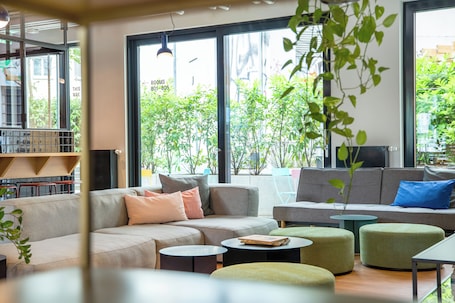


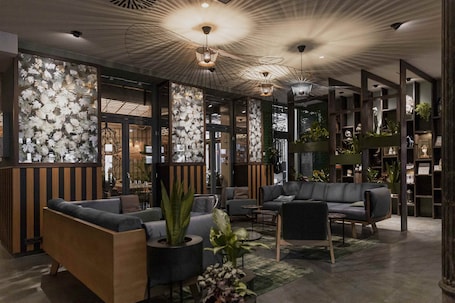
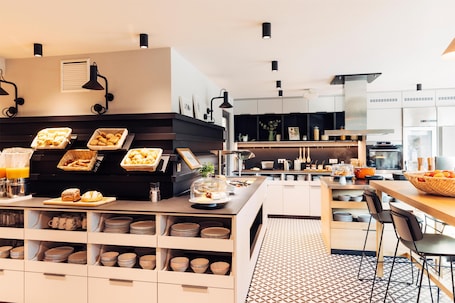
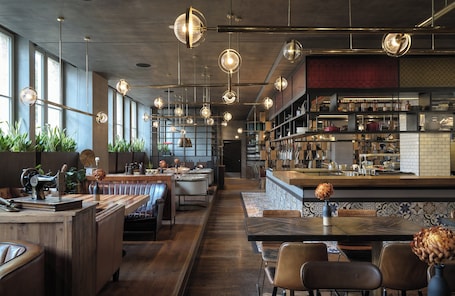
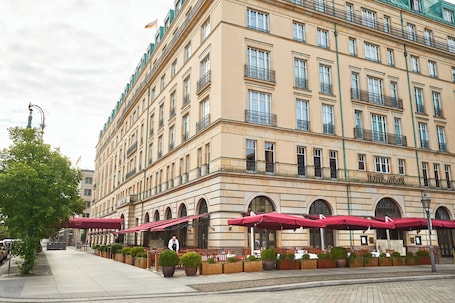

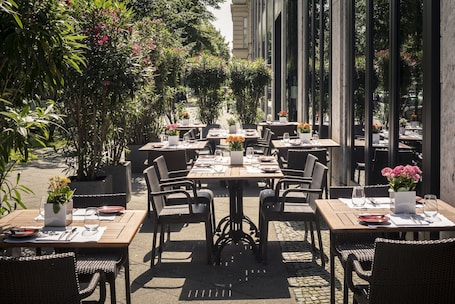
| Hotel | Area | Rating | Price / night |
|---|---|---|---|
| Olive Inn Berlin | Berlin | ★ 4 | 61 €/nuit |
| Motel Plus Berlin | Neukölln | ★ 4.1 | 68 €/nuit |
| LOGINN Hotel Berlin Airport | Berlin | ★ 4.5 | 72 €/nuit |
| Come Inn Berlin Kurfürstendamm | Berlin | ★ 4.1 | 75 €/nuit |
| Aparthotel Vega | Berlin | ★ 3.8 | 80 €/nuit |
| The Base Berlin ONE | Pankow | ★ 4.1 | 81 €/nuit |
| Sunday Hotel Berlin City West ★★★★ | Berlin | ★ 3.8 | 89 €/nuit |
| Hotel Gat Point Charlie Berlin | Mitte | ★ 4.4 | 89 €/nuit |
| STAYERY Berlin Friedrichshain | Friedrichshain | ★ 4.6 | 90 €/nuit |
Berlin is one of Europe's most layered cities: a place where Cold War history, world-class art institutions, and a famously open nightlife scene coexist across a vast urban footprint. Unlike Paris or London, it has no single obvious center, which means choosing the right neighborhood genuinely shapes the tone of your stay.
The city rewards slow exploration. Markets, canal-side cafés, brutalist architecture, and leafy Kiez (local neighborhoods) sit a few U-Bahn stops apart. Whether you are here for the museums on Museum Island, the galleries of Kreuzberg, or the techno clubs of Friedrichshain, there is a pocket of Berlin that will feel like the right fit.
Which area to stay in Berlin?
- Mitte: The geographic and historical heart of Berlin, home to Museum Island, the Brandenburg Gate, and the Reichstag. Ideal for first-time visitors who want iconic sights within walking distance and easy metro access everywhere else.
- Tiergarten: Flanking Berlin's vast central park, this area is calm, green, and well-connected. Good for travelers who want proximity to cultural venues like the Philharmonie and the Kulturforum without the tourist density of Mitte.
- Wilmersdorf and City West: A polished, residential district in western Berlin near the Kurfürstendamm shopping boulevard and the KaDeWe department store. Quieter than the center, with a classic pre-reunification West Berlin atmosphere.
- Friedrichshain: The go-to base for independent travelers and those interested in Berlin's club and art scene. Streets lined with street art, the East Side Gallery nearby, and a dense offer of affordable bars and international restaurants.
- Prenzlauer Berg: A gentrified former East Berlin neighborhood with tree-lined streets, vintage shops, and excellent brunch spots. Well suited to families and those who prefer a relaxed pace over nightlife.
- Kreuzberg: Multicultural, creative, and historically significant, Kreuzberg blends Turkish market culture with contemporary galleries and some of the city's best street food. A strong choice for culturally curious travelers.
Good to know
- Use the BVG public transport network: Berlin's U-Bahn, S-Bahn, trams, and buses cover the city thoroughly. A 7-day ticket is almost always better value than single rides if you plan to explore widely.
- Book ahead for spring and autumn: Berlin hosts major trade fairs (ITB in March, Berlin Art Week in September) that push hotel prices up sharply. Securing accommodation 6 to 8 weeks in advance during these periods is sensible.
- Avoid driving in the city center: Berlin has an environmental low-emission zone (Umweltzone) and limited parking. Public transport or cycling is faster and cheaper for most journeys within the ring.
- Consider a base in the east for value: Neighborhoods like Friedrichshain offer competitive nightly rates with good transport links. Hotels such as STAYERRY Berlin Friedrichshain (from 89 EUR/night, rated 4.6/5) demonstrate that well-reviewed stays do not require a central postcode.
- Pack for variable weather: Berlin's continental climate means warm, sometimes hot summers and cold winters with occasional snow. Spring and early autumn offer the most comfortable conditions for walking the city.
What to know about hotels in Berlin?
What is the best area to stay in Berlin for first-time visitors?+
Mitte is the most practical base for a first visit, placing you close to the Brandenburg Gate, Museum Island, and major transport hubs. Tiergarten is a quieter alternative with similar connectivity, and hotels like the Scandic Berlin Potsdamer Platz (100 EUR/night, rated 4.5/5) or Hotel Berlin a member of Radisson Individuals (103 EUR/night, rated 4.3/5) offer solid options in that area.
When is the best time to visit Berlin?+
Late spring (May to June) and early autumn (September to October) offer the best combination of mild weather, long daylight hours, and manageable crowds. July and August are lively but can be hot and busy. Winter is cold but atmospheric, especially around the Christmas markets in December.
What is a realistic hotel budget for Berlin?+
Berlin remains relatively affordable by Western European capital standards. Based on currently available options, well-rated hotels range from around 89 EUR to 118 EUR per night, covering everything from aparthotel-style stays in Friedrichshain to 4-star properties in the city center. Budget travelers can also find ibis Budget properties starting around 100 EUR/night.
How do I get from Berlin's airports to the city center?+
Berlin Brandenburg Airport (BER) is served by the S-Bahn S9 and S45 lines, connecting to central stations like Ostkreuz, Alexanderplatz, and Berlin Hauptbahnhof in roughly 30 to 45 minutes. FER Express trains also run directly to the city center. Taxis and ride-hailing apps are available but slower during peak hours.
Is Berlin a safe city for tourists?+
Berlin is generally considered safe for tourists across most neighborhoods. Standard urban precautions apply, particularly in crowded areas and on night transport: keep an eye on bags and stay aware of your surroundings. Areas like Mitte, Wilmersdorf, Prenzlauer Berg, and Tiergarten are among the most comfortable for visitors unfamiliar with the city.
Plan your stay in Berlin
Tell us your wish, your dates and your budget. Charlize puts together hotels, activities and tables in one conversation.