Hotels in Lucerne: Where to Stay in 2025
Updated 17 September 2026 · 131 real hotels
Lucerne rewards visitors who stay close to the Old Town or along the lakefront, where the Chapel Bridge, the lake promenades, and the main cultural sites are all within walking distance. Budget travelers can look slightly outside the center, in districts like Kriens, without sacrificing easy access by tram or bus. The city is compact enough that almost any central neighborhood works well as a base.
Your stay in Lucerne, in one conversation
Charlize builds hotels, activities and dining around your wishes, dates and budget.
Where to stay on any budget?
A real selection, real prices, from the most affordable to the showstopper.




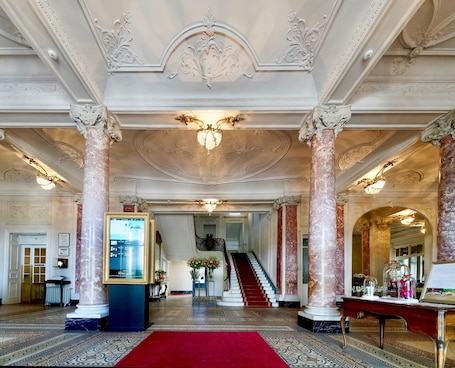
| Hotel | Area | Rating | Price / night |
|---|---|---|---|
| ibis budget Luzern City ★★ | Lucerne | ★ 3.8 | 117 €/nuit |
| Barabas - Hostel ★★★ | Centre historique de Lucerne | ★ 4.2 | 135 €/nuit |
| Hotel Spatz ★★★ | Lucerne | ★ 4.1 | 139 €/nuit |
| Hotel Rothaus Luzern & Peruvian Culinary Art ★★★ | Lucerne | ★ 3.7 | 143 €/nuit |
| Galaxy Apartments ★★★★ | Lucerne | ★ 3.8 | 153 €/nuit |
| ibis Luzern Kriens ★★★ | Kriens : à 3,2 km de Lucerne | ★ 4.1 | 161 €/nuit |
| Altstadt Hotel Magic Luzern ★★★ | Centre historique de Lucerne | ★ 3.9 | 163 €/nuit |
| Hotel Le Stelle - self check-in ★★★ | Centre historique de Lucerne | ★ 3.6 | 163 €/nuit |
| Hotel Goldener Stern – Self check-in ★★★ | Lucerne | ★ 4.1 | 165 €/nuit |
Lucerne sits at the western tip of Lake Lucerne, framed by the pre-Alps and linked to the rest of Switzerland by fast rail connections. It is one of the country's most visited cities, yet it retains a genuinely livable scale: the historic core covers a modest area that a healthy walker can cross in twenty minutes. That compactness is one of the city's strongest assets for travelers, because choosing a well-placed hotel means you can reach the Chapel Bridge, the Old Town squares, the KKL concert hall, and the lake boat docks almost entirely on foot.
The city divides naturally along the Reuss River, which flows out of the lake through the center. The right bank (Kleinstadt) holds the oldest streets and most of the famous wooden bridges. The left bank opens onto the lakefront, the main train station, and the modern cultural quarter. Beyond those two cores, quieter residential neighborhoods and the surrounding lake villages offer a slower pace at slightly lower prices. Whatever your reason for visiting, whether it is mountain day-trips, festival attendance, or a classic Swiss touring stop, understanding where to base yourself shapes the whole experience.
Which area to stay in Lucerne?
- Old Town (Altstadt, right bank): The historic heart of Lucerne, best for first-time visitors and anyone who wants to step outside and be immediately surrounded by painted facades, medieval fountains, and the Chapel Bridge. Walkability is exceptional and the atmosphere after the day-trippers leave in the evening is genuinely charming.
- Lakefront and train station area (left bank): The stretch running from the main station to the National Quai is where the grand hotels have always stood, offering lake views, direct rail connections, and proximity to the KKL cultural centre. Ideal for business travelers, concert-goers, and those arriving late or leaving early.
- Tribschen and lakeside south: A quieter residential district south-east of the centre, known locally for the Wagner Museum and calm lake walks. A good fit for repeat visitors who want a more local feel while staying within cycling or bus distance of the Old Town.
- Kriens (3 km south-west): A separate municipality that borders Lucerne and is served by frequent public transport. Prices tend to be lower than in the historic centre, and the cable car to Mount Pilatus departs nearby, making it a practical base for hikers and families.
- Weggis and the lake villages (approx. 20 km): Villages along the shores of Lake Lucerne offer a resort atmosphere, panoramic water views, and a noticeably slower pace. Reaching central Lucerne requires a boat crossing or a drive, so this option suits travelers who want the lake as their main experience rather than the city itself.
Good to know
- Use the Swiss Travel Pass or a regional day pass: Lucerne's public transport network is efficient and frequent. Buses and trams cover the centre and outlying districts including Kriens; the lake boats are also included in many passes, turning a commute into a scenic trip.
- Book well ahead for summer and festival periods: July and August bring heavy tourist traffic, and the Blue Balls Festival (late July) and other summer events push occupancy very high. Rates across all categories rise significantly. Shoulder months, April to early June and September to October, offer better availability and milder prices.
- Prioritize a central location if you plan to do mountain day-trips: Mt. Pilatus, Mt. Rigi, and Mt. Titlis are all accessible from Lucerne by a combination of boats, cable cars, and trains. Staying near the main station or the boat docks shaves meaningful time off each excursion.
- Check whether your hotel includes city tax and breakfast: Swiss hotels sometimes list rates excluding the local tourism tax (Kurtaxe), which adds a small per-person nightly charge. Confirm what is included at booking to avoid surprises at checkout.
- Walking is almost always the right choice in the centre: Lucerne's historic core is largely pedestrianised and very compact. If your hotel is within the Old Town or along the main quays, you will rarely need a bus or taxi to reach the major sights.
What to know about hotels in Lucerne?
What is the best area to stay in Lucerne for sightseeing?+
The Old Town on the right bank of the Reuss and the lakefront on the left bank are the two most convenient bases. Both put the Chapel Bridge, the lake promenades, and the main museums within a short walk. If you want immediate access to the train station and boat docks for day-trips, the left-bank lakefront area has a slight practical edge.
When is the best time to visit Lucerne?+
Late spring (May to early June) and early autumn (September to October) offer the most balanced conditions: stable weather, fewer crowds than peak summer, and generally better hotel availability. Summer is lively and warm but significantly busier and more expensive. Winter can be atmospheric, especially around Christmas markets, though some mountain attractions operate on reduced schedules.
What is the average hotel budget to plan for in Lucerne?+
Lucerne is one of Switzerland's pricier destinations. Based on currently available options, budget hotels start around 175 to 180 euros per night, mid-range three- and four-star properties range from roughly 210 to 342 euros, and luxury five-star hotels reach 614 euros or more. Prices rise further during summer and festival weekends, so booking early is advisable.
How do I get from Lucerne Airport (or Zurich Airport) to the city centre?+
Lucerne does not have its own commercial airport. The closest major hub is Zurich Airport (ZRH), about 50 to 60 minutes from Lucerne by direct train, with departures roughly every 30 minutes. The train arrives at Lucerne's main station, which sits right on the lakefront and is within walking distance of most central hotels. Basel and Geneva airports are also reachable but involve longer journeys.
Is it worth staying outside the city centre, for example in Kriens or a lake village?+
Kriens, at about 3 km from the centre, makes sense for travelers on a tighter budget or those specifically visiting Mount Pilatus, since the cable car base station is nearby and bus connections into Lucerne are frequent. Lake villages like those further along the shore suit visitors who prioritise scenery and calm over urban convenience, but plan on 20 to 30 minutes of travel time each way to reach central Lucerne.
Plan your stay in Lucerne
Tell us your wish, your dates and your budget. Charlize puts together hotels, activities and tables in one conversation.