Hotels in Coimbra: Where to Stay in 2025
Updated 8 September 2026 · 124 real hotels
Coimbra's historic Upper Town and the university district offer the most atmospheric base for first-time visitors, with easy access to the main monuments and the lively student scene. For a quieter, residential feel with good transport links, Santo António dos Olivais is a solid alternative. Budgets range from around 45 € for a guesthouse to 225 € for a premium apartment.
Your stay in Coimbra, in one conversation
Charlize builds hotels, activities and dining around your wishes, dates and budget.
Where to stay on any budget?
A real selection, real prices, from the most affordable to the showstopper.
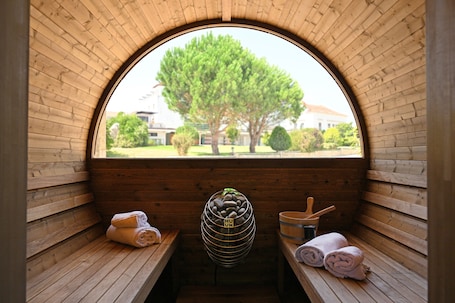


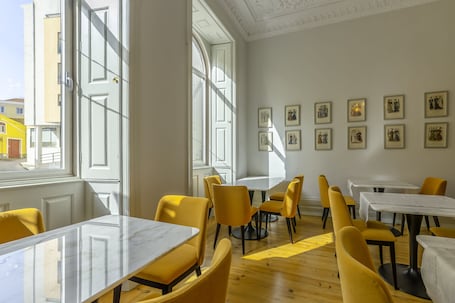
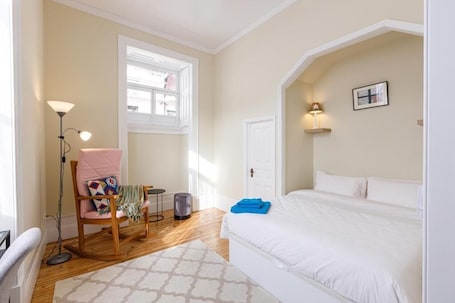
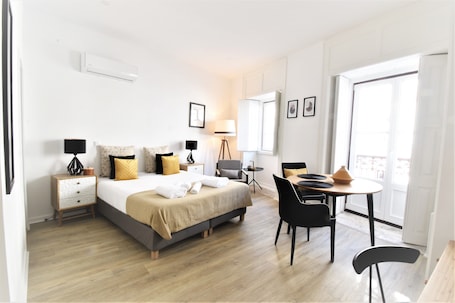


| Hotel | Area | Rating | Price / night |
|---|---|---|---|
| Pensão Residencial Internacional ★★ | Centre-ville de Coimbra | ★ 3.8 | 45 €/nuit |
| Guest House Infante Dom Henrique ★★ | Centre-ville de Coimbra | ★ 4 | 48 €/nuit |
| Stay Hotel Coimbra Centro ★★★★ | Centre-ville de Coimbra | ★ 3.8 | 49 €/nuit |
| Quinta d'Anta - Hotel Rural ★★★ | — | ★ 4.7 | 49 €/nuit |
| HI Coimbra - Pousada de Juventude - Hostel ★ | Sé Nova | ★ 3.9 | 50 €/nuit |
| Zero Box Lodge Coimbra ★★★ | Centre-ville de Coimbra | ★ 4.5 | 54 €/nuit |
| B&B Hotel Figueira Da Foz ★★★ | — | ★ 4 | 54 €/nuit |
| R3 Service Five Senses in Coimbra ★★★ | Centre-ville de Coimbra | ★ 4 | 55 €/nuit |
| Coimbra City Charm ★★★ | Centre-ville de Coimbra | ★ 4.4 | 61 €/nuit |
Coimbra sits on a hillside above the Mondego River in central Portugal, roughly halfway between Lisbon and Porto. It is home to one of the oldest universities in the world, founded in 1290, which still shapes the city's personality: student traditions, fado coimbrano sung in the streets, and a calendar of academic ceremonies make it feel unlike any other Portuguese city.
Beyond the university, Coimbra rewards slow exploration. Roman ruins at Conimbriga are a short drive away, the old town's narrow lanes lead to riverside gardens, and the regional cuisine, including chanfana slow-cooked goat and pastéis de Tentúgal pastries, is worth the trip alone. The city is compact enough to walk, yet layered enough to spend two or three days without running out of things to discover.
Which area to stay in Coimbra?
- Upper Town (Alta Universitária): The historic and academic heart of Coimbra, clustered around the Universidade de Coimbra. Best for visitors who want to wake up steps from the Joanina Library, the Sé Velha cathedral, and the viewpoints over the Mondego. Lively during term time, atmospheric year-round.
- Lower Town (Baixa): The commercial centre along Rua Ferreira Borges and the riverside. Good for shoppers, restaurant-hoppers, and anyone who wants flat ground after the climbs of the Alta. Well connected by bus and close to the main train station, Coimbra-B.
- Sé Nova area: Transitional zone between the Alta and the Baixa, close to the New Cathedral and popular with students. A practical base with local cafés, quieter streets, and slightly lower prices than the touristy core.
- Santa Cruz / Jardim da Manga: Centered on the Santa Cruz Monastery and its adjoining gardens. Relaxed, slightly less touristy, and within easy walking distance of both the Baixa and the Alta. Good for travellers who want a mix of calm and convenience.
- Santo António dos Olivais: A residential neighbourhood on the eastern plateau, preferred by families and longer-stay visitors. Less scenic than the historic centre, but with supermarkets, parks, and good bus connections to the university and the centre.
Good to know
- Use the free elevator and escalators: Coimbra has a series of public elevators and moving walkways connecting the Baixa to the Alta. They are free, open most of the day, and save significant effort on the steepest climbs.
- Arrive via Coimbra-B, not Coimbra-A: Long-distance trains from Lisbon and Porto stop at Coimbra-B, about 3 km from the centre. A short regional shuttle connects it to Coimbra-A station, right in the Baixa. Factor in that extra 10-minute leg.
- Book ahead during university events: The Queima das Fitas festival in May, academic processions in October, and other student events fill the city quickly. Prices rise and availability drops, so book at least 4 to 6 weeks in advance for those periods.
- Best seasons are spring and early autumn: March to June offers mild temperatures, blooming gardens, and a buzzing student atmosphere. September and October are quieter and still warm. July and August can be hot (regularly above 35 °C) and the student population largely leaves for the summer.
- City buses (SMTUC) cover most neighbourhoods: A single ticket costs around 1.60 € and the network links the Baixa, the Alta, Santo António dos Olivais, and the hospital area. The city is walkable at its core, but the bus is useful for the hillier or more peripheral zones.
What to know about hotels in Coimbra?
What is the best area to stay in Coimbra for first-time visitors?+
The Upper Town and the area around Sé Nova give you the most immersive experience, with the university, the old cathedrals, and the best viewpoints within walking distance. The Lower Town (Baixa) is a good alternative if you prefer flat terrain, more dining options, and direct access to the train station.
What is the best time of year to visit Coimbra?+
Spring (April to June) is widely considered the best period: temperatures are pleasant, the university is in full session, and the Queima das Fitas festival in May adds a unique local energy. Early autumn (September to October) is also excellent, with fewer crowds and comfortable weather. Summer is hot and quieter as many students leave.
How much does a hotel in Coimbra cost per night?+
Based on current availability, Coimbra hotels range from around 45 € per night for a budget guesthouse such as Guest House Infante Dom Henrique to 225 € for a premium apartment like Entre Ruas Apartments. Mid-range options such as Zero Box Lodge (68 €) and Casa Coimbra Guesthouse and Garden (70 €) offer strong value for their category.
How do you get from the airport to central Coimbra?+
Coimbra does not have its own commercial airport. Most visitors fly into Lisbon (approximately 2 hours by train) or Porto (approximately 1 hour by train), then take an Alfa Pendular or Intercidades train to Coimbra-B station. From there, a short regional train connects to Coimbra-A in the city centre. Taxis and ride-hailing apps are also available at Coimbra-B.
Is Coimbra a good base for day trips in central Portugal?+
Yes. The Roman ruins of Conimbriga are about 16 km south and reachable by bus or taxi. Aveiro, known as the Portuguese Venice, is around 45 minutes north by train. The Serra da Estrela mountain range and the walled medieval village of Monsanto are also within a two-hour drive, making Coimbra a practical hub for exploring central Portugal.
Plan your stay in Coimbra
Tell us your wish, your dates and your budget. Charlize puts together hotels, activities and tables in one conversation.