Hotels in Oslo: Where to Stay in the Norwegian Capital
Updated 4 September 2026 · 114 real hotels
For first-time visitors, the city centre around Karl Johans gate and the Aker Brygge waterfront offers the best combination of access and atmosphere. Travelers on a tighter budget will find good value in the Østensjø and Hasle corridors, well connected to the centre by metro.
Your stay in Oslo, in one conversation
Charlize builds hotels, activities and dining around your wishes, dates and budget.
Where to stay on any budget?
A real selection, real prices, from the most affordable to the showstopper.

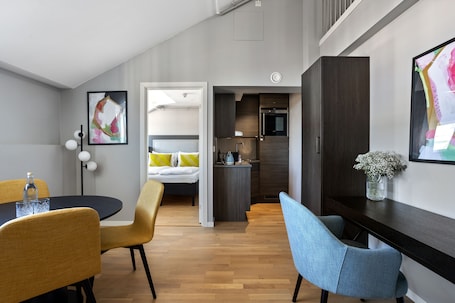
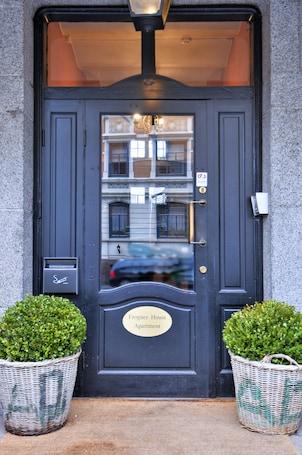

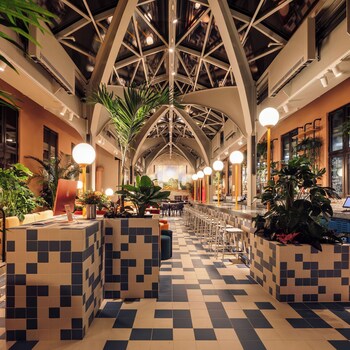
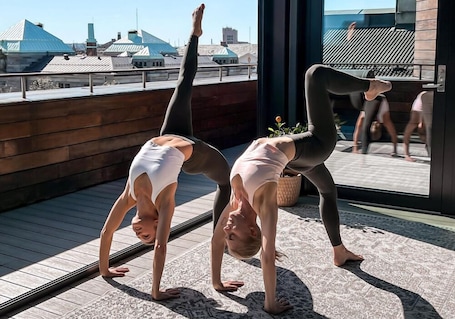


| Hotel | Area | Rating | Price / night |
|---|---|---|---|
| Topcamp Bogstad - Oslo ★★★ | Holmenkollen | ★ 4 | 68 €/nuit |
| Bunks at Rode ★★ | Grünerløkka | ★ 4.5 | 69 €/nuit |
| HI Oslo Haraldsheim - Hostel ★★ | Oslo | ★ 4.2 | 98 €/nuit |
| Kampen Hotel ★★ | Oslo | ★ 3.8 | 104 €/nuit |
| BJØRVIKA APARTMENTS, Teaterplassen, Oslo city center ★★★★ | Oslo | ★ 4.2 | 105 €/nuit |
| Scandic Go, Grensen 20 ★★★★ | Oslo | ★ 4 | 111 €/nuit |
| MAYA Apartments - Carl Berner ★★ | Grünerløkka | ★ 4.3 | 111 €/nuit |
| Smarthotel Oslo ★★★ | Oslo | ★ 4.1 | 119 €/nuit |
| K7 Hotel Oslo ★★★ | Oslo | ★ 3.8 | 120 €/nuit |
Oslo sits at the northern tip of the Oslofjord, surrounded by forested hills on three sides and open water to the south. That geography is not just scenic: it shapes how the city lives, where people go on weekends, and which neighborhoods feel urban versus quietly residential. The result is a capital that is compact enough to walk across in an afternoon yet layered enough to reward several days of exploration.
The city has invested heavily in its waterfront over the past two decades, turning former industrial docks into the Fjordbyen cultural district, home to the Oslo Opera House, the Munch Museum, and a string of public spaces. Inland, the old streets of Grünerløkka and the hilltop paths of Holmenkollen remind you that Oslo is equally a city of cafés, galleries, and outdoor culture. Accommodation reflects that range: sleek design hotels near the central station, budget-smart options on the metro lines, and mid-range properties in quieter eastern districts.
Which area to stay in Oslo?
- Sentrum (City Centre): Best for first-time visitors who want Karl Johans gate, the Royal Palace gardens, the National Theatre, and Oslo S station all within walking distance. The Karl Johan Hotel and the Radisson Blu Plaza Hotel are both located here, offering easy access to every tram and metro line.
- Bjørvika / Barcode: Oslo's newest urban quarter, built around the Opera House and the Oslofjord waterfront. Contemporary architecture, pedestrian promenades, and the Munch Museum make it ideal for culture-focused travelers. The Clarion Hotel The Hub sits in this corridor, steps from the central station.
- Grünerløkka: Oslo's creative neighbourhood, filled with independent coffee shops, vintage stores, record shops, and weekend markets. Better suited to repeat visitors who want a local feel over tourist convenience. The Hobo Oslo captures that relaxed, design-conscious spirit.
- Hasle / Økern (East Oslo): A quieter, largely residential and light-industrial zone that has seen significant regeneration. The Radisson RED Oslo Økern and the Quality Hotel Hasle Linie are located here, offering strong value and direct metro access to the city centre in around ten minutes.
- Torshov / Kampen: Established working-class neighbourhoods that have gentrified gradually without losing their neighbourhood character. Leafy streets, local restaurants, and a genuine Oslo residential atmosphere. The Kampen Hotel offers a budget entry point into this calmer side of the city.
- Styen / Vulkan area (near Mathallen): Adjacent to Grünerløkka and home to Oslo's famous indoor food market, Mathallen. A short walk from Grünerløkka but slightly calmer, this zone suits food-focused travelers and those who want easy access to both the centre and the river path along the Akerselva.
Good to know
- Use the Ruter app from day one: Oslo's public transport network (metro, tram, bus, and ferry) is unified under Ruter. A single ticket covers all modes within Zone 1, which includes virtually every hotel listed here. Buy a 24-hour or 7-day pass if you plan to move around often, as single fares are expensive.
- The Oslo Pass is worth calculating carefully: It covers museum entry and unlimited transport, but only pays off if you visit at least three or four paid attractions. Check the current price and the list of included venues before buying.
- Visit between May and September for daylight and outdoor life: Summer days in Oslo are extremely long, with the sun setting after 10 pm in late June. Prices for accommodation rise significantly in July and August. Shoulder season (May, early June, September) offers better rates with reliable weather.
- Book well ahead for July: Oslo's hotel market is smaller than many European capitals of similar GDP. July, when Norwegians travel but international visitors also peak, regularly sees properties sell out weeks in advance. The budget-friendly options such as Smarthotel Oslo (69 euros per night) and Kampen Hotel (68 euros per night) fill particularly fast.
- Walking between neighbourhoods is genuinely practical: The distance from Oslo S to Aker Brygge is around 20 minutes on foot along the waterfront. Grünerløkka to the centre is 25 minutes. Oslo rewards pedestrians and the urban signage is clear, so do not default to taxis for short hops.
What to know about hotels in Oslo?
What is the best area to stay in Oslo for first-time visitors?+
The Sentrum district, within walking distance of Karl Johans gate and Oslo S central station, gives first-time visitors the most convenient base. Bjørvika, just east of the station along the waterfront, is a strong alternative if you want modern surroundings and easy access to the Opera House and the Munch Museum.
How do you get from Oslo Airport (Gardermoen) to the city centre?+
The Airport Express Train (Flytoget) runs between Gardermoen and Oslo S in approximately 20 minutes and departs several times per hour. Standard regional trains operated by Vy cover the same route in around 22 to 25 minutes and are notably cheaper. Taxis and rideshares exist but are significantly more expensive and slower during peak hours.
What is the best time of year to visit Oslo?+
Late May through early September offers the warmest temperatures, the longest days, and access to outdoor fjord activities. Winter (December to February) brings cold temperatures and the possibility of snow, but also Christmas markets and a quieter, more atmospheric city. Spring and autumn are ideal for budget-conscious travelers, as prices drop and crowds thin considerably.
What is the average hotel budget to expect in Oslo?+
Among the hotels currently available on RoomForNight, rates range from 68 euros per night at the Kampen Hotel to 219 euros per night at the Karl Johan Hotel. Mid-range options such as the Radisson Blu Plaza Hotel (142 euros) and the Clarion Hotel The Hub (181 euros) represent the mainstream market for a 4-star stay. Oslo is generally one of the more expensive cities in Europe for accommodation, so booking early and considering eastern-district hotels pays off.
Is Oslo safe and easy to navigate as a solo traveler?+
Oslo consistently ranks among the safest capitals in Europe, and solo travel here is straightforward. Public transport runs reliably late into the night, neighbourhoods are well lit, and English is spoken fluently across the city. The compact layout means that even without a detailed plan, most key sights are reachable on foot or within a short metro ride.
Plan your stay in Oslo
Tell us your wish, your dates and your budget. Charlize puts together hotels, activities and tables in one conversation.