Hotels in Siena: Where to Stay in 2025
Updated 7 September 2026 · 246 real hotels
Siena rewards visitors who stay inside or very close to the historic center, where the medieval streets, the Piazza del Campo, and the Duomo are all walkable. For more space and countryside calm, the rolling hills just outside the city walls offer excellent Tuscan retreats without being too far from the action.
Your stay in Sienne, in one conversation
Charlize builds hotels, activities and dining around your wishes, dates and budget.
Where to stay on any budget?
A real selection, real prices, from the most affordable to the showstopper.
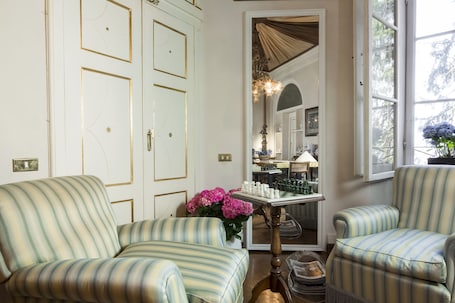
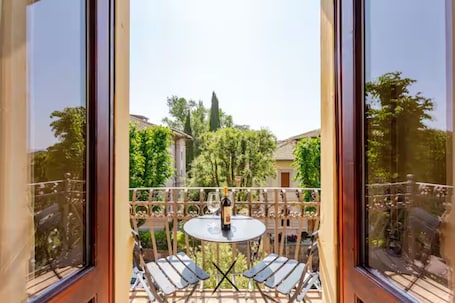
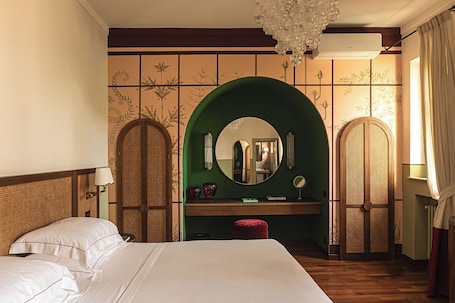


| Hotel | Area | Rating | Price / night |
|---|---|---|---|
| All'Ombra della Torre | Centre-ville de Sienne | ★ 2.7 | 56 €/nuit |
| Camping Siena Colleverde ★★★ | Scacciapensieri | ★ 4.1 | 58 €/nuit |
| Domus il Palio B&B | Ravacciano | ★ 4.6 | 70 €/nuit |
| Hotel La Colonna ★★★ | Sienne | ★ 4 | 74 €/nuit |
| Villa le Camelie Siena | Petriccio | ★ 4.3 | 84 €/nuit |
| Hotel Executive ★★★★ | Scacciapensieri | ★ 4.2 | 93 €/nuit |
| Hotel Il Giardino | Pispini | ★ 4.3 | 99 €/nuit |
| La Perla ★ | Centre-ville de Sienne | ★ 3.9 | 99 €/nuit |
| Palazzo Masi | Centre-ville de Sienne | ★ 4.5 | 102 €/nuit |
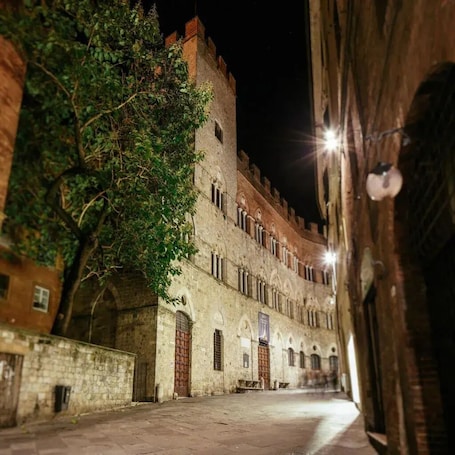
Siena is one of the best-preserved medieval cities in Europe, built on three converging hills in the heart of Tuscany. Unlike Florence, it never expanded into a modern metropolis, which means its Gothic skyline, fan-shaped main square, and labyrinthine contrade neighborhoods look almost exactly as they did in the 14th century. Staying here feels less like visiting a museum and more like temporarily inhabiting a living city that still takes its Palio horse race more seriously than almost anything else.
The city is compact but hilly, and most of its treasures are concentrated within the ZTL (zona a traffico limitato), the restricted traffic zone that covers the center. Getting your accommodation choice right matters more here than in a flat, spread-out city: the wrong location can mean a steep uphill walk with luggage or a complicated drive to find parking. The good news is that the range of options, from grand five-star palazzos on the main corso to converted Cistercian monasteries in the surrounding countryside, is genuinely impressive for a city of Siena's size.
Which area to stay in Sienne?
- Centro Storico (Historic Center): For travelers who want to walk everywhere and soak up the medieval atmosphere after day-trippers leave. The Grand Hotel Continental Siena sits directly on the Banchi di Sopra, Siena's main pedestrian street, putting the Piazza del Campo five minutes away on foot. Expect premium prices and ZTL driving restrictions.
- Camollia (North Gate area): A quieter residential quarter just inside the northern city walls, slightly removed from the most crowded tourist corridors. Villa Ermellina Siena sits here, offering a more intimate boutique experience while remaining fully walkable to the center.
- Scacciapensieri (Northeast hills): A peaceful residential zone on the edge of the city, popular with those who prefer greenery and a slower pace. Villa Scacciapensieri Boutique Hotel and the Guild Living Siena Senior Resort both occupy this area, with views over the Tuscan hills and a short taxi or bus ride to the Piazza del Campo.
- Certosa di Maggiano (Southeast outskirts): A cluster of ancient buildings converted into a five-star property, Hotel Certosa Di Maggiano, sitting just outside the city walls in quiet grounds. Ideal for travelers who want seclusion and refinement without being far from Siena's core.
- Castelnuovo Berardenga / Pontignano (Southern countryside): The area south of Siena, known for Chianti wine estates and cypress-lined roads. La Certosa di Pontignano occupies a former monastery here, offering countryside immersion with Siena reachable by car in about 20 minutes. Best suited to guests with a rental car.
- Asciano (Crete Senesi, approx. 10 km out): The surreal, clay-hill landscape of the Crete Senesi begins here. Castello di Leonina Relais suits travelers who want a Tuscan agriturismo experience, vineyard access, and day trips both to Siena and to smaller hill towns like Montalcino or Pienza.
Good to know
- Understand the ZTL before you drive: Siena's historic center is a restricted traffic zone monitored by cameras. If your hotel is inside the walls, confirm with them how to obtain a temporary access permit before arrival. Fines are automatically issued to non-authorized plates, even for a brief stop to drop luggage.
- Book well ahead for Palio dates: The Palio di Siena runs twice a year, on July 2 and August 16. Hotels inside the city fill up months in advance and prices surge across all categories. If your trip overlaps with these dates, book as early as possible or consider staying in the countryside and coming in for the day.
- Travel in shoulder season for the best balance: April to early June and September to October offer mild weather, smaller crowds, and better hotel availability than peak summer. Winters are quiet and occasionally cold but genuinely atmospheric, especially around Christmas when the city decorates its medieval streets.
- Use the city bus network (Tiemme) or taxis for outlying stays: If you are based in Scacciapensieri, Certosa di Maggiano, or the countryside, the Tiemme bus network connects several suburban stops to the center, and taxis from the main taxi stand near Piazza Matteotti are reliable. Agree on the fare or ensure the meter is running.
- Pack comfortable shoes with grip: Siena's streets are paved with large stone slabs (the iconic striped black-and-white stone is called Senese marble or Malborghetto paving) that can be slippery when wet. Good walking shoes make a significant difference, especially on the steep lanes connecting the three hills.
What to know about hotels in Sienne?
What is the best area to stay in Siena for first-time visitors?+
The historic center is the top choice for first-timers, putting you within walking distance of the Piazza del Campo, the Duomo, and the Pinacoteca Nazionale. The Camollia district, just inside the northern walls, is a quieter alternative that still keeps you on foot from everything. Both areas eliminate the need for a car during your stay.
When is the best time to visit Siena?+
Shoulder seasons, specifically April to early June and September to October, offer the most pleasant combination of good weather, manageable crowds, and reasonable hotel rates. July and August are hot and very busy, particularly around the two Palio races. Winter is cold but uncrowded, and the city's medieval architecture is especially striking without summer tour groups filling every lane.
How do I get from Florence airport (or Siena) to the city center?+
Siena does not have its own airport. The closest major airports are Florence (Amerigo Vespucci, roughly 75 km north) and Pisa (Galileo Galilei, roughly 100 km west). From Florence, the fastest route is a combination of a shuttle to Florence Santa Maria Novella station followed by a direct Siena-bound bus operated by FlixBus or Tiemme, with a journey time of around 90 minutes. Rental cars or private transfers are the most convenient option if you are arriving with luggage or staying in the countryside.
What is the average hotel budget for a night in Siena?+
Based on currently available options, expect to pay around 120 to 160 euros per night at the three-star level, 200 to 275 euros for a comfortable four-star or boutique property, and upward of 450 to 670 euros for a five-star or luxury palazzo in the center. Countryside relais and converted monasteries often offer good value relative to their quality, particularly outside peak season.
Is Siena walkable, or do I need a car?+
The historic center itself is entirely walkable, though its hills mean some routes involve steep climbs. A car is unnecessary if you are staying inside the walls and plan to focus on Siena itself. However, if you want to explore the surrounding Chianti wine region, the Crete Senesi landscape, or towns like Montalcino, Montepulciano, or San Gimignano, a rental car unlocks the region considerably. Guests staying at countryside properties like Castello di Leonina or La Certosa di Pontignano will almost certainly need one.
Plan your stay in Sienne
Tell us your wish, your dates and your budget. Charlize puts together hotels, activities and tables in one conversation.