Hotels in Dublin: Where to Stay in the Irish Capital
Updated 17 September 2026 · 250 real hotels
Dublin is a compact city where most visitors stay in the city centre, around St. Stephen's Green, or in the elegant Ballsbridge district. The city centre puts Temple Bar, Trinity College and Grafton Street within walking distance, while Ballsbridge offers a quieter, more residential feel with easy access to the DART rail line.
Your stay in Dublin, in one conversation
Charlize builds hotels, activities and dining around your wishes, dates and budget.
Where to stay on any budget?
A real selection, real prices, from the most affordable to the showstopper.
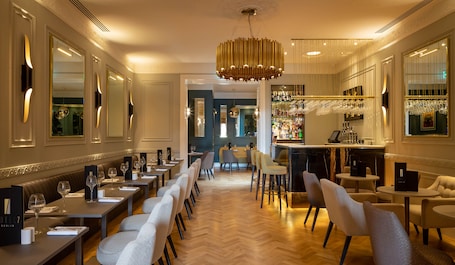
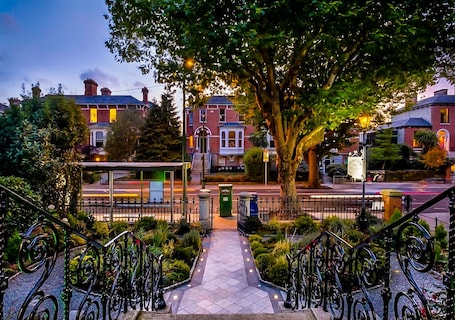
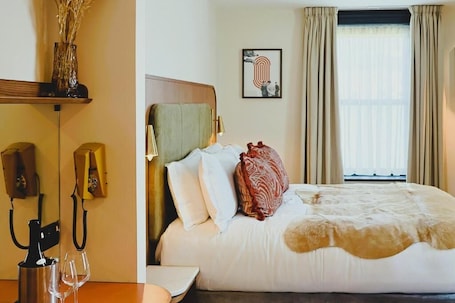

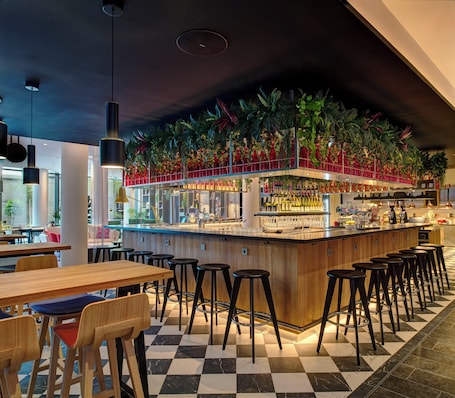
| Hotel | Area | Rating | Price / night |
|---|---|---|---|
| Dublin Skylon Hotel ★★★★ | Dublin | ★ 4.6 | 109 €/nuit |
| The Leeson Inn ★★ | Centre ville de Dublin | ★ 4.1 | 119 €/nuit |
| easyHotel Dublin City Centre ★★★ | Dublin | ★ 4 | 120 €/nuit |
| Dublin One Hotel ★★★★ | Centre ville de Dublin | ★ 4.4 | 122 €/nuit |
| Roxford Lodge Hotel ★★★ | Dublin | ★ 4.7 | 122 €/nuit |
| Clink i Lár ★★ | Centre ville de Dublin | ★ 4.3 | 122 €/nuit |
| The Libertine Lounge & Lodgings ★★★ | Dublin | ★ 4.7 | 123 €/nuit |
| The Sandymount Hotel ★★★★ | Dublin | ★ 4.6 | 126 €/nuit |
| Academy Plaza Hotel ★★★ | Centre ville de Dublin | ★ 4.4 | 127 €/nuit |
Dublin rewards visitors who choose their base carefully. The city is small enough to walk across its historic core in under thirty minutes, yet each neighborhood has a distinct character: the cobbled lanes of Temple Bar, the Georgian terraces of Merrion Square, the creative energy of Portobello, or the leafy calm of Ballsbridge. Staying centrally means you spend more time exploring and less time commuting.
Ireland's capital combines a genuine pub culture, world-class museums (most of them free), and a food scene that has quietly become one of Europe's most interesting. The weather is mild but unpredictable year-round, the people are famously welcoming, and the city is walkable in a way that very few European capitals can match. A well-chosen hotel here is not just a bed: it is your anchor for everything Dublin does best.
Which area to stay in Dublin?
- City Centre / St. Stephen's Green: The obvious choice for first-time visitors. Shopping on Grafton Street, the National Gallery, and easy access to every bus line are all on your doorstep. Hotels here include the Iveagh Garden Hotel (153 €/night, 4.6/5), Marlin Hotel Stephens Green (179 €/night, 4.6/5), The Dean Dublin Centre (207 €/night, 4.2/5) and Ruby Molly Hotel Dublin by IHG (189 €/night, 4.7/5).
- Temple Bar / Dame Street: The most visited quarter, lively until late and ideal for travelers who want pubs, live music and cultural venues steps away. Expect more noise at night, so request a rear-facing room if you are a light sleeper.
- Portobello / Rathmines: A favorite with locals, this southside neighborhood along the Grand Canal has independent cafes, a relaxed vibe and tram (Luas) connections into the centre. Good value for longer stays.
- Ballsbridge: A tree-lined, residential district about 2 km south of the centre. Home to embassies, the Aviva Stadium and excellent restaurants. The Clayton Hotel Burlington Road (139 €/night, 4.5/5) offers solid four-star comfort here, and St. Helen's Hotel (208 €/night, 4.5/5) brings five-star Georgian grandeur to the area.
- Ranelagh / Donnybrook: Upscale and genuinely local, popular with young professionals. The Luas tram connects Ranelagh to the city centre in ten minutes. A good pick if you want calm evenings and good restaurants without tourist crowds.
- North Inner City (Smithfield / Parnell Square): More affordable than the southside, with the Irish Whiskey Museum, the Liffey boardwalk and the Gate Theatre nearby. Ongoing regeneration means the area is improving quickly.
Good to know
- Use the Luas tram and Dublin Bus for longer trips, but walk whenever you can. The two Luas lines (Red and Green) cover the main visitor corridors efficiently, and a Leap Card gives you discounted fares across all public transport.
- Book accommodation well in advance for June to August and around major events such as St. Patrick's Festival (March), the Dublin Horse Show (August) or any international rugby or football fixture at the Aviva Stadium.
- The best value window is generally September to early November. Crowds thin after summer, prices ease, and the city stays lively with literary festivals and cultural events.
- Airport to city centre takes 25 to 45 minutes depending on traffic. The Aircoach and Dublin Express buses run frequently and drop passengers at several central stops. A taxi costs roughly 25 to 35 euros. The planned MetroLink rail connection is still years away from completion.
- Pack for all weather, even in summer. Dublin's Atlantic climate means a sunny morning can turn rainy by afternoon. A light waterproof layer is more useful than an umbrella on the city's windy streets.
What to know about hotels in Dublin?
What is the best area to stay in Dublin for first-time visitors?+
The city centre, particularly around St. Stephen's Green and Dame Street, is the most convenient base. You can walk to Trinity College, Grafton Street, Temple Bar and most major museums without needing public transport. Hotels like the Iveagh Garden Hotel and Ruby Molly Hotel Dublin by IHG are well-positioned in this zone.
What is the best time of year to visit Dublin?+
Late spring (May to early June) and early autumn (September to October) offer the best balance of reasonable weather, manageable crowds and more competitive hotel rates. July and August are the busiest months, with higher prices and a livelier atmosphere. March is worth considering if you want to experience St. Patrick's Festival, though book very early.
What is a realistic hotel budget for Dublin?+
Based on available options, well-rated four-star hotels in Dublin typically range from around 139 euros per night (Clayton Hotel Burlington Road) to over 300 euros per night (The Leinster). Mid-range options in the city centre generally fall between 150 and 210 euros per night. Budget travellers will find better rates in outer neighborhoods or by booking well in advance.
How do you get from Dublin Airport to the city centre?+
The easiest options are the Aircoach and Dublin Express bus services, which run around the clock and stop at several central locations including O'Connell Street, St. Stephen's Green and Ballsbridge. The journey takes 25 to 45 minutes depending on traffic. Taxis and ride-hailing apps are also available and cost approximately 25 to 35 euros for a city-centre drop-off.
Is Ballsbridge a good place to stay, or is it too far from the action?+
Ballsbridge is roughly 2 kilometers south of the city centre and is a perfectly comfortable base, especially if you prefer quieter streets and a more residential feel. Several buses and the DART rail line connect it to the centre in under fifteen minutes. It is particularly convenient if you are attending events at the Aviva Stadium or meetings in the embassy district.
Plan your stay in Dublin
Tell us your wish, your dates and your budget. Charlize puts together hotels, activities and tables in one conversation.