Hotels in Budapest: Where to Stay in 2025
Updated 8 September 2026 · 381 real hotels
Budapest divides naturally into Buda (hilly, residential, quieter) and Pest (flat, walkable, buzzing with nightlife and culture). Most first-time visitors stay in Pest, particularly in the 5th district (Belváros) or the 7th district (Erzsébetváros), for the best access to sights, restaurants and public transport. If you prefer a slower pace and riverside views, Óbuda on the Buda side is a genuine alternative.
Your stay in Budapest, in one conversation
Charlize builds hotels, activities and dining around your wishes, dates and budget.
Where to stay on any budget?
A real selection, real prices, from the most affordable to the showstopper.
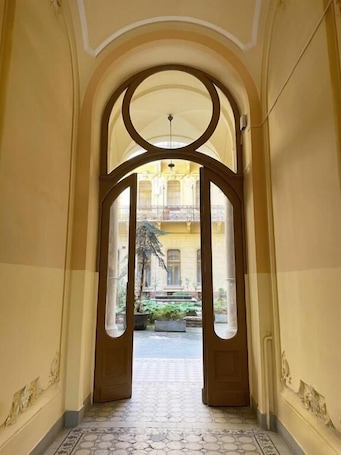


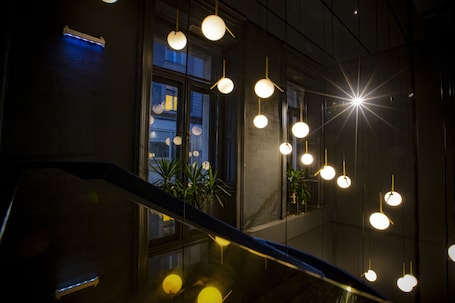

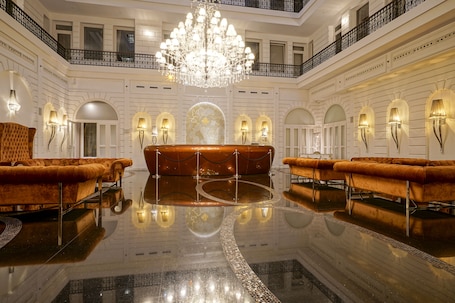
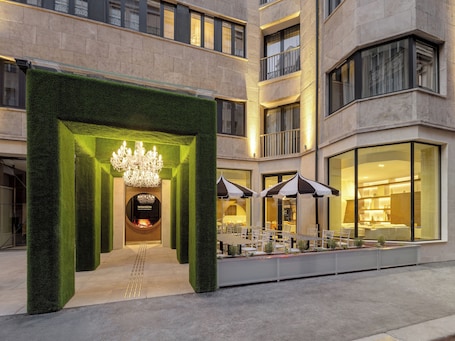
| Hotel | Area | Rating | Price / night |
|---|---|---|---|
| Hid Hotel ★★★ | Budapest | ★ 4 | 48 €/nuit |
| NEXTO DORMERO Hotel Budapest ★★★ | Budapest | ★ 4.4 | 49 €/nuit |
| Prince Apartments ★★★ | Budapest | ★ 4.3 | 56 €/nuit |
| PRIME STAY BUDAPEST ★★★ | Angyalföld | ★ 4.4 | 57 €/nuit |
| Klauzal Apartman ★★★ | Erzsébetváros | ★ 5 | 64 €/nuit |
| Hotel Charles ★★★★ | Budapest | ★ 4.3 | 72 €/nuit |
| East-West Boutique Hotel Budapest ★★★ | Budapest | ★ 5 | 74 €/nuit |
| Elisabeth Downtown Apartments by FirstHost ★★★ | Erzsébetváros | ★ 4.6 | 90 €/nuit |
| Fashion City Hotel ★★★★ | Budapest | ★ 4.3 | 94 €/nuit |
Budapest is one of Europe's most structurally interesting capitals: split down the middle by the Danube, with Buda rising sharply on the west bank and Pest spreading flat and urban to the east. That geography shapes everything from where you eat breakfast to how long your morning commute takes, so choosing the right neighborhood matters more here than in many other cities.
The city rewards guests who look past the obvious tourist corridor. Yes, the Parliament building and the Chain Bridge are unmissable. But Budapest also has a functioning thermal-bath culture, a dense Jewish heritage quarter, one of Central Europe's best ruin-bar scenes and a food market (Nagy Vásárcsarnok) that locals actually use. Staying somewhere well-connected by metro or tram means you can reach all of it without a taxi.
Which area to stay in Budapest?
- Belváros (5th district, Pest): The historic core, home to the Parliament, the Danube promenade and Vörösmarty Square. Best for first-time visitors who want everything walkable and a polished, central atmosphere.
- Erzsébetváros (7th district, Pest): The former Jewish quarter, now the epicenter of Budapest nightlife and street food. Ruin bars, synagogues and independent cafés coexist here. Ideal for travelers who want urban energy and cultural texture, though weekend nights can be loud near Kazinczy Street.
- Terézváros (6th district, Pest): Anchored by Andrássy Avenue, Budapest's grand UNESCO-listed boulevard, and the Opera House. Quieter than the 7th but still well-served by Metro Line 1. A strong choice for culture-focused stays.
- Lipótváros (5th district, north): Upscale residential streets close to the Parliament and St. Stephen's Basilica. Less nightlife, more fine dining and gallery visits. Suits business travelers and couples.
- Buda Castle district (1st district): The hilltop historic quarter with Fisherman's Bastion and Matthias Church. Atmospheric and low-traffic after dark, but restaurant choices are limited and public transport requires a funicular or a steep walk.
- Óbuda (3rd district): The oldest part of Budapest, built over Roman Aquincum, with a village-like feel and easy access to the Danube islands. Less visited by tourists, which keeps prices lower. Good for travelers who want calm and authenticity rather than central convenience.
Good to know
- Use the BKK public transport network: Budapest has four metro lines, an extensive tram network and river ferries. A 24-hour or 72-hour travel card is far cheaper than single tickets if you plan to explore multiple districts. The M2 and M3 metro lines cross under Pest and connect to Keleti (main railway station) quickly.
- Book thermal baths in advance: Széchenyi, Gellért and Rudas are the most visited, and ticket windows can have long queues, especially on weekends. Online booking with a time slot is worth the minor extra effort.
- Time your visit carefully: Spring (April to June) and early autumn (September to October) offer mild temperatures and manageable crowds. July and August are the peak tourist months and can be genuinely hot (above 35°C). December brings a reliable Christmas market around Vörösmarty Square.
- Airport to city centre: Budapest Ferenc Liszt Airport (BUD) is around 25 km from the city centre. The 100E express bus connects directly to Deák Ferenc Square in about 30 to 40 minutes and is the most cost-effective option. Taxis are metered and reliable but significantly more expensive. There is currently no direct metro link to the airport.
- Budget for the tourist tax: Budapest charges a nightly tourism tax on top of hotel rates. The amount is usually small but worth factoring in when comparing prices, as some booking platforms show it separately at checkout.
What to know about hotels in Budapest?
What is the best area to stay in Budapest for first-time visitors?+
The 5th and 6th districts on the Pest side offer the most convenient base: you are within walking distance of major sights, well-served by metro and tram lines, and surrounded by a wide range of restaurants. Erzsébetváros (7th district) works well if you also want nightlife and a denser local atmosphere.
What is the best time of year to visit Budapest?+
April to June and September to October are widely considered the best periods: temperatures are comfortable, daylight hours are long and crowds are smaller than in peak summer. If you visit in December, the Christmas markets add a festive atmosphere, though temperatures regularly drop below freezing.
What is a realistic hotel budget for Budapest?+
Based on current availability, budget-conscious travelers can find solid 3-star options from around 64 euros per night (such as the NEXTO DORMERO Hotel Budapest). Mid-range 4-star properties sit between 92 and 135 euros per night, while a luxury 5-star experience like the Corinthia Budapest is listed at 180 euros per night. Overall, Budapest remains notably good value compared to Paris or Vienna.
How do I get from Budapest Airport to the city centre?+
The 100E express bus is the standard option: it runs frequently, stops at key Pest locations and costs a fraction of a taxi fare. Journey time is roughly 30 to 40 minutes depending on traffic. Taxis from the official ranks outside the terminal are metered and safe, but expect to pay considerably more.
Is Óbuda worth considering as a base, or is it too far from the main sights?+
Óbuda is quieter and more residential than central Pest, and it suits travelers who prefer a calmer environment or who are visiting specifically for Roman ruins and riverside parks. The HÉV suburban rail line and several bus routes connect it to central Pest in around 20 to 30 minutes, so it is not impractical. A hotel like the Verdi Budapest Aquincum puts you in that area at a competitive price point.
Plan your stay in Budapest
Tell us your wish, your dates and your budget. Charlize puts together hotels, activities and tables in one conversation.