Where to Stay in Odense: Best Hotels & Neighborhoods
Updated 7 November 2026 · 50 real hotels
Odense rewards visitors who stay close to the historic city centre, where Hans Christian Andersen landmarks, pedestrian streets, and the main train station are all within walking distance. The area around Kongens Have and the cathedral is ideal for first-timers, while the Vesterbro and Østre Stationsvej corridors suit travelers who want easy rail connections and a quieter atmosphere.
Your stay in Odense, in one conversation
Charlize builds hotels, activities and dining around your wishes, dates and budget.
Where to stay on any budget?
A real selection, real prices, from the most affordable to the showstopper.

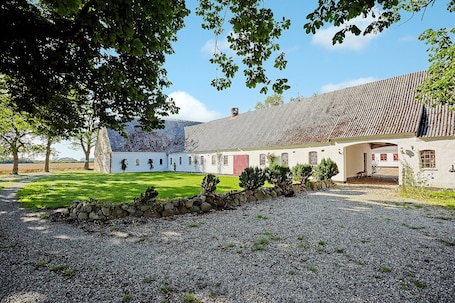
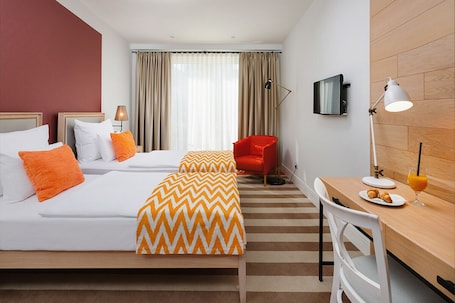

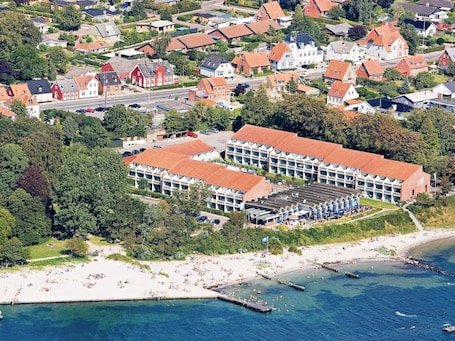
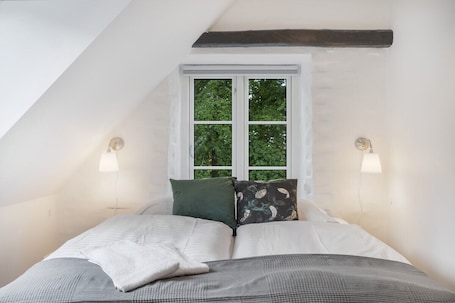


| Hotel | Area | Rating | Price / night |
|---|---|---|---|
| Villa Søndervang ★★★ | Odense : à 24,5 km | ★ 3.2 | 66 €/nuit |
| Gertruds Petit Hotel ★★ | Odense | ★ 4.2 | 79 €/nuit |
| Kragsbjerggaard Vandrerhjem ★★★ | Odense | ★ 4.3 | 79 €/nuit |
| CABINN Odense Hotel ★★★ | Odense | ★ 4 | 95 €/nuit |
| First Camp Hasmark Strand Fyn ★★★ | Odense : à 16,1 km | ★ 3.8 | 95 €/nuit |
| Spangsgaard bed and breakfast ★★★ | Odense NV | ★ 4.8 | 98 €/nuit |
| Bed and Breakfast Åløkke ★★★ | Odense : à 21,6 km | ★ 4.6 | 108 €/nuit |
| Milling Hotel Mini 11 ★★ | Odense | ★ 3.7 | 109 €/nuit |
| 5 Person Holiday Home in Otterup | Maison entière | — | 111 €/nuit |
Our hotel profiles in Odense

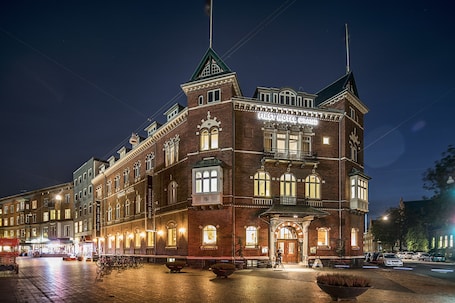
Odense: Denmark's Fairy-Tale Third City
Odense sits at the heart of the island of Funen, roughly midway between Copenhagen and Aarhus, and it carries that in-between quality well: it is large enough to have a genuine cultural scene, compact enough to explore on foot or by bicycle in a single weekend. The city is best known as the birthplace of Hans Christian Andersen, but beyond the museums dedicated to him you will find a lively university population, a respected symphony orchestra, a tram line that opened in 2022, and a restaurant scene that punches above its size.
A City Built for Slow Exploration
What makes Odense genuinely pleasant to visit is its human scale. The medieval street grid around the cathedral (Sankt Knuds Domkirke) and the half-timbered lanes near the Hans Christian Andersen Museum are navigable without a map after one morning. The Brandts cultural complex, the Funen Village open-air museum, and the Odense River walks all lie within cycling distance of the centre. Hotels here are consistently less expensive than in Copenhagen, and because the city is served by frequent intercity trains, day trips to the beaches of Funen's south coast or to the Viking ship museum in Roskilde are entirely realistic.
Which area to stay in Odense?
- City Centre (Centrum): The default choice for most visitors. The Hans Christian Andersen Museum, the cathedral, the main pedestrian street (Kongensgade), and the central train station are all here. Hotels in this zone put every major attraction within a 10-15 minute walk, and the new tram line runs straight through the area.
- Vesterbro: Immediately west of the station, this mixed residential and commercial district has good transport links and tends to offer slightly calmer streets than the core. Practical for business travelers arriving by rail and looking for a no-fuss base.
- Brandts Klædefabrik Area: Built around a converted textile factory turned arts complex, this quarter has independent cafes, galleries, and a cinema. It suits travelers who want cultural atmosphere rather than pure sightseeing efficiency.
- Odense Å (River Quarter): The riverside paths along the Odense River stretch south from the centre toward the zoo and Funen Village. Staying near here gives quick access to green space and cycling routes, while the centre remains under 20 minutes on foot.
- Østerbro / University Quarter: East of the centre near the University of Southern Denmark campus, this area is quieter and more residential. It works well for extended stays or for visitors attending university events, with bus connections to the centre running regularly.
- Fruens Bøge: A leafy suburb bordering one of Denmark's finest beech forests, Fruens Bøge is worth considering if you prioritise nature and quiet over immediate proximity to museums. The city centre is about 15 minutes by tram or bicycle.
Good to know
- Use the tram: Odense opened its first tram line (Odense Letbane) in 2022, running from Tarup in the northwest through the city centre to Hjallese in the south. It is clean, frequent, and covered by the same tickets as city buses. If your hotel is on or near this corridor, you will rarely need a taxi.
- Book the Hans Christian Andersen Museum early: The rebuilt museum (reopened 2021, designed by Kengo Kuma) is the city's headline attraction and timed-entry slots sell out weeks in advance in summer. Secure tickets before you book flights.
- Travel in late spring or early summer: May and June bring long daylight hours, manageable crowds, and comfortable temperatures (14-20 °C). July is the busiest month. Winter is quiet and affordable but many outdoor sites have reduced hours.
- A bicycle is the ideal transport: Odense has an extensive cycle network and a city bike scheme. Most central hotels can arrange or recommend rental. The flat terrain means cycling between attractions is genuinely easy even for occasional riders.
- Central station as a hub: Odense Banegård is served by DSB intercity trains every 30 minutes to Copenhagen (roughly 1h 30m) and to Aarhus (roughly 1h 30m via the Little Belt Bridge). Staying within walking distance of the station makes the whole of Denmark feel accessible.
What to know about hotels in Odense?
What is the best area to stay in Odense for first-time visitors?+
The city centre, within walking distance of Kongensgade and the Hans Christian Andersen Museum, is the most practical base for a first visit. Hotels like Hotel Odeon (219 €/night, rated 4.4/5) and First Hotel Grand Odense (188 €/night, rated 4.3/5) are well placed in this zone. The tram, main pedestrian street, and principal museums are all reachable on foot.
What is the best time of year to visit Odense?+
Late May through June offers the best balance of good weather, long daylight hours, and moderate crowds. The Hans Christian Andersen Festival (held in late July to early August) is lively but brings the highest hotel prices of the year. If budget matters more than sunshine, shoulder months like April or September are worth considering.
What is the average hotel budget for a night in Odense?+
Based on current availability on RoomForNight, prices range from around 95 € per night at the CABINN Odense Hotel (3 stars, rated 4/5) up to 219 € per night at Hotel Odeon (4 stars, rated 4.4/5). Mid-range options with solid ratings, such as Best Western Plus Hotel Odense (135 €/night, 4.3/5) or Aiden By Best Western Odense (127 €/night, 4.1/5), represent good value for the city.
How do you get from the airport to central Odense?+
Odense does not have its own commercial airport. Most visitors fly into Copenhagen Airport (CPH) and then take a direct DSB intercity train to Odense Central Station, a journey of roughly 1 hour 30 minutes. Billund Airport, hub of Jutland, is about 1 hour by bus or car. Both routes are well served and straightforward.
Is Odense easy to explore without a car?+
Yes, it is one of the more car-free-friendly cities in Denmark. The compact historic centre is walkable, the tram line and bus network cover most districts, and cycling infrastructure is excellent. A car is only useful if you plan day trips into rural Funen, where public transport thins out considerably.
Plan your stay in Odense
Tell us your wish, your dates and your budget. Charlize puts together hotels, activities and tables in one conversation.