Hotels in Zagreb: Where to Stay in 2025
Updated 1 October 2026 · 170 real hotels
Most visitors to Zagreb stay in Donji Grad, the flat lower town packed with cafes, markets and direct tram connections. For a quieter, more local feel, the slopes of Gornji Grad and the Kaptol quarter offer cobblestone charm within easy walking distance of the centre. Budget travellers can look further south toward Novi Zagreb for decent value without straying too far from the action.
Your stay in Zagreb, in one conversation
Charlize builds hotels, activities and dining around your wishes, dates and budget.
Where to stay on any budget?
A real selection, real prices, from the most affordable to the showstopper.
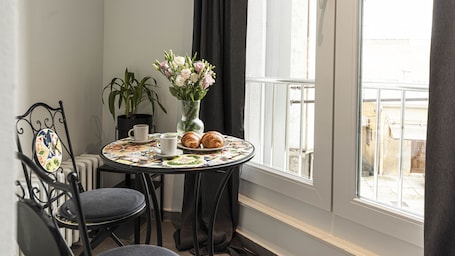
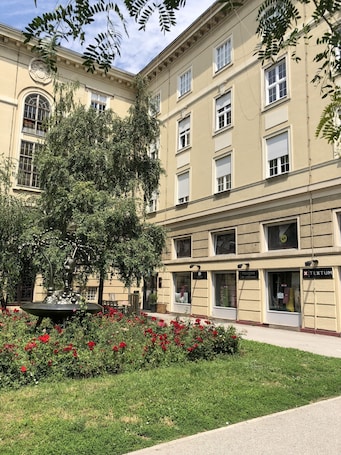
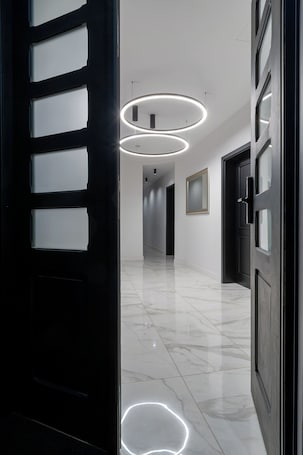
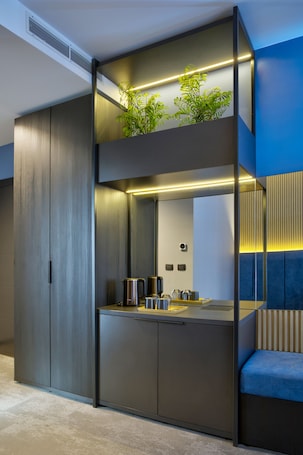


| Hotel | Area | Rating | Price / night |
|---|---|---|---|
| Spin&Fly ★★★ | Appartement entier | ★ 4.7 | 56 €/nuit |
| HI Hostel Zagreb ★ | Donji Grad | ★ 3.7 | 58 €/nuit |
| Flowers Premium Apartments & Rooms ★★★★ | Donji Grad | ★ 4.7 | 71 €/nuit |
| Tia Apartments and Rooms ★★★ | Donji Grad | ★ 3.9 | 72 €/nuit |
| Rooms Zagreb 17 ★★★★ | Gornji Grad | ★ 4.7 | 75 €/nuit |
| LOOX apartments Hatzova ★★★ | Donji Grad | ★ 4.6 | 76 €/nuit |
| Hotel Blue ★★★★ | Zagreb | ★ 4 | 78 €/nuit |
| Design Studios SVI-MI ★★★★ | Donji Grad | ★ 4.9 | 81 €/nuit |
| LOOX boutique apartments Gundulićeva ★★★★ | Donji Grad | ★ 4.8 | 82 €/nuit |
Why Zagreb Deserves More Than a Stopover
Zagreb is one of Central Europe's most underrated capitals: a compact, walkable city where Austro-Hungarian architecture sits alongside a thriving cafe culture, world-class museums and one of the continent's best Christmas markets. Unlike coastal Croatia, Zagreb rewards slow exploration. You notice things at street level, a mosaic-tiled church here, a funicular ride there, an espresso stretched over an hour on Tkalciceva Street.
A City Built on Two Levels
The city divides naturally into an upper town (Gornji Grad) and a lower town (Donji Grad), connected by the world's shortest public funicular. Donji Grad is where most hotels, restaurants and transport hubs concentrate, making it the default choice for first-time visitors. Gornji Grad is older, quieter and best appreciated on foot. Together they form a centre compact enough that almost everything worth seeing is within a 20-minute walk or a single tram ride.
Which area to stay in Zagreb?
- Donji Grad (Lower Town): The practical heart of Zagreb, home to the main train station, Ban Jelacic Square and the Dolac market. Ideal for first-time visitors who want easy tram access and plenty of dining options within steps of their hotel.
- Gornji Grad (Upper Town): The medieval hilltop quarter around St Mark's Church and Lotrscak Tower. Best for travellers who prioritise atmosphere over convenience, since the streets are steep and trams do not run here.
- Kaptol: The cathedral district just northeast of Ban Jelacic Square. Quieter than Donji Grad at night, well-connected by day and full of local bakeries and small bars along Tkalciceva Street.
- Maksimir and Medvednica foothills: Residential areas favoured by long-stay visitors and families. Green, calm and served by tram, though you will need 15 to 20 minutes to reach the centre.
- Novi Zagreb (New Zagreb): The modern district south of the Sava river. Practical for airport proximity and lower nightly rates, but requires a tram or bus to reach the historic centre. A sensible pick for very early or very late flights.
- Miramare district: A quieter residential pocket west of centre, suited to travellers who prefer to avoid the busiest tourist corridors while staying within reasonable reach of the main sights.
Good to know
- Use the tram network: Zagreb's tram system is reliable, inexpensive and covers all major areas of the city. A single ride costs well under 1 euro with a contactless card. Lines 6 and 13 are the most useful for hotel-to-centre journeys.
- Book early for Advent season: Zagreb's Christmas market (late November through early January) consistently ranks among Europe's best, and hotel prices rise sharply from mid-November. If you are visiting for Advent, secure your room two to three months ahead.
- Spring and early autumn are the sweet spot: April to June and September to October offer mild temperatures, fewer crowds and more reasonable rates than the peak summer months, when Zagreb can feel warm and busy.
- The airport is closer than it looks: Zagreb Franjo Tudman Airport sits roughly 17 km southeast of the centre. A Croatia Airlines bus runs regularly to the main bus terminal near the train station, taking around 30 minutes. Taxis and ride-share apps are also widely available.
- Pack for hills if you plan to explore Gornji Grad: The upper town involves genuine inclines and uneven stone streets. Comfortable shoes matter more here than in most European capitals.
What to know about hotels in Zagreb?
What is the best area to stay in Zagreb for first-time visitors?+
Donji Grad is the most practical choice: it places you within walking distance of Ban Jelacic Square, the Dolac market and the main tram lines. Hotels like Hotel Esplanade Zagreb, Hotel Dubrovnik and Canopy by Hilton Zagreb are all located here, covering a range of budgets from around 108 to 210 euros per night.
When is the best time of year to visit Zagreb?+
Late spring (April to June) and early autumn (September to October) offer the most pleasant weather for sightseeing, with temperatures between 15 and 25 degrees Celsius and fewer crowds than summer. The Advent season in December is spectacular but comes with higher prices and busy streets, so book accommodation well in advance.
What is a realistic nightly hotel budget for Zagreb?+
Based on currently available hotels, prices range from around 56 euros per night for a self-catering apartment (Spin and Fly) to 210 euros for a five-star property (Hotel Esplanade Zagreb). A comfortable mid-range stay in a well-located four-star hotel typically falls between 108 and 155 euros per night.
How do I get from Zagreb Airport to the city centre?+
The Croatia Airlines airport bus is the most convenient option, running to the central bus terminal near Zagreb Main Station in approximately 30 minutes, with departures timed around flight arrivals. Taxis and ride-share apps (including Uber) are readily available and take a similar amount of time depending on traffic.
Is Zagreb a walkable city, or do I need public transport?+
The historic core, covering Donji Grad, Kaptol and Gornji Grad, is very walkable and most major attractions are within a 20-minute walk of Ban Jelacic Square. Trams are useful for reaching areas south of the centre or for longer cross-city journeys, and the network is easy to navigate for visitors.
Plan your stay in Zagreb
Tell us your wish, your dates and your budget. Charlize puts together hotels, activities and tables in one conversation.