Hotels in Wiesbaden: Where to Stay in 2025
Updated 2 September 2026 · 168 real hotels
Wiesbaden's Mitte district suits most visitors, placing you steps from the Kurhaus, the thermal baths, and the elegant Wilhelmstrasse shopping boulevard. For a quieter, residential feel, Nordost offers charming guesthouses close to the Nerotal park, while Südost provides solid mid-range options with good transport links.
Your stay in Wiesbaden, in one conversation
Charlize builds hotels, activities and dining around your wishes, dates and budget.
Where to stay on any budget?
A real selection, real prices, from the most affordable to the showstopper.
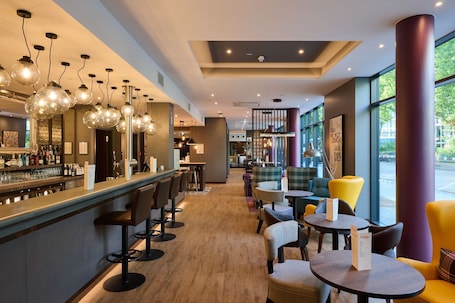
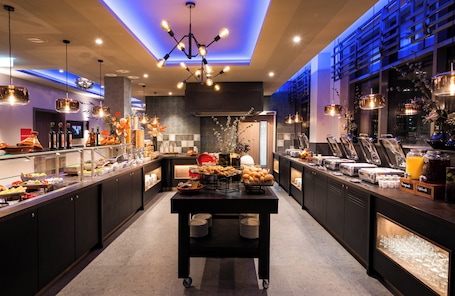
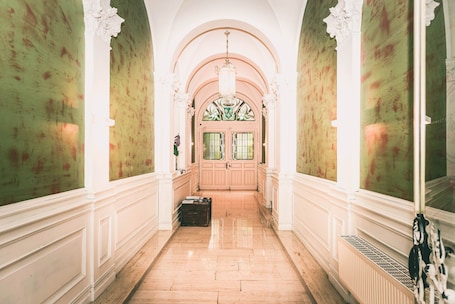
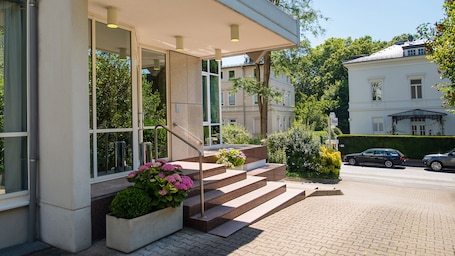

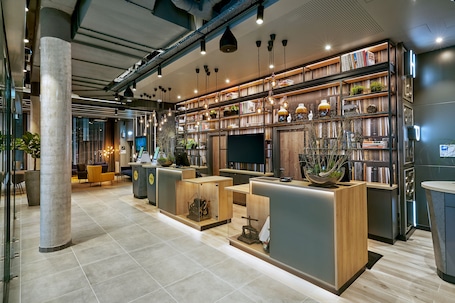

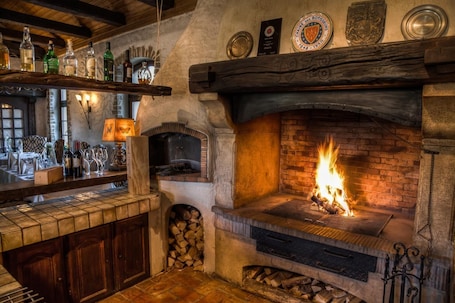

| Hotel | Area | Rating | Price / night |
|---|---|---|---|
| Premier Inn Frankfurt Eschborn | Wiesbaden : à 24,4 km | ★ 4.6 | 61 €/nuit |
| Sunday Hotel Frankfurt Airport Kelsterbach | Wiesbaden : à 20,6 km | ★ 4.3 | 62 €/nuit |
| Holiday Inn - the niu, Belt Frankfurt Eschborn by IHG | Wiesbaden : à 23,8 km | ★ 4.5 | 62 €/nuit |
| Hey Lou Hotel Frankfurt Airport | Wiesbaden : à 17,6 km | ★ 4.1 | 65 €/nuit |
| Trip Inn Bristol Hotel | Mayence : à 12,6 km de Wiesbaden | ★ 3.9 | 66 €/nuit |
| Trip Inn Klee am Park Wiesbaden | Mitte | ★ 3.7 | 67 €/nuit |
| Sunday am Main Taunus Zentrum Frankfurt/Sulzbach ★★★★★ | Wiesbaden : à 20,4 km | ★ 4.1 | 70 €/nuit |
| B&B HOTEL Wiesbaden-Ost | Nordenstadt | ★ 2.9 | 70 €/nuit |
| Garner Hotel Mainz by IHG | Mayence : à 12,7 km de Wiesbaden | ★ 4.2 | 70 €/nuit |
Wiesbaden is one of Germany's oldest spa cities, built around 26 hot springs and a remarkably intact Belle Époque cityscape. The Hessian state capital sits on the right bank of the Rhine, directly across from Mainz, and combines the calm of a historic resort town with the practicality of a modern business hub. Its compact centre means most sights, restaurants, and thermal facilities are reachable on foot.
What makes Wiesbaden distinct for overnight visitors is the density of quality within a small radius. The pedestrianised Wilhelmstrasse, the neo-baroque Kurhaus casino, and the Kaiser-Friedrich-Therme thermal bath are all within ten minutes of each other. Whether you are here for a wellness weekend, a Rheingau wine-route detour, or a business stay near Frankfurt, choosing the right neighbourhood makes a real difference to your experience.
Which area to stay in Wiesbaden?
- Mitte (City Centre): The best all-round base for first-time visitors. You are within walking distance of the Kurhaus, the Old Town market, and the main shopping street. Hotels like Hotel Oranien Wiesbaden (212 €/night, rated 4.7/5) and Garner Hotel Wiesbaden City by IHG (121 €/night, rated 4.4/5) anchor this area, with the Aurora Hotel (93 €/night) offering a more affordable entry point.
- Nordost (North-East): A leafy, residential quarter edging up toward the Nerotal valley and the Rambach hills. Quieter than the centre, it appeals to travellers who want easy access to hiking paths and the Opelbad open-air thermal pool. Hotel Villa Klemm (108 €/night, rated 4.5/5) and Adina Apartment Hotel Wiesbaden (146 €/night, rated 4.6/5) are solid choices here, the latter ideal for longer stays thanks to its apartment-style rooms.
- Südost (South-East): A practical, less touristic district served by tram and bus routes connecting quickly to the main station and the city centre. The pentahotel Wiesbaden (98 €/night, rated 4/5) and Best Western Hotel Wiesbaden (163 €/night, rated 4.6/5) sit here, making it a popular corridor for business travellers and those arriving by car.
- Niedernhausen (Outer Area, 9.5 km): A small town in the Rheingau foothills, accessible by S-Bahn. The Sunday Hotel Wiesbaden Niedernhausen (75 €/night, rated 4.3/5) is the budget-friendly outlier in this list. Best suited to travellers with a car or those exploring the wider Taunus and Rheingau wine region rather than spending most of their time in the city centre.
- Altstadt (Old Town, within Mitte): Not a separate booking zone but worth mentioning as a micro-area. The narrow lanes around the Marktkirche and the old ducal palace give a sense of the city before the spa boom, and evening dining here is considerably less touristy than around the Kurhaus.
Good to know
- Arrive by train for maximum convenience: Wiesbaden Hauptbahnhof is served by regional and S-Bahn services, including a direct link to Frankfurt Airport (roughly 45 minutes on the S8 or S9 line). No need for a taxi if you are staying in Mitte or Südost.
- Book thermal bath slots in advance in winter: The Kaiser-Friedrich-Therme and Thermalbad Aukammtal get busy on weekends and public holidays, especially from November to March. Confirming your slot online before arrival saves frustration.
- Consider a mid-week stay for better rates and fewer crowds: Wiesbaden attracts weekend wellness tourists heavily. Tuesday to Thursday stays often come with lower occupancy and a more relaxed atmosphere in restaurants and the Kurhaus gardens.
- A car is useful but not essential in the centre: The city centre is compact and walkable, and bus lines cover most residential areas. A car becomes genuinely useful if you plan excursions into the Rheingau vineyards, the Taunus hills, or the Rhine Gorge toward the Loreley.
- Check Rheingau festival dates: The Rheingau Musik Festival (typically late June through August) and the Wiesbaden wine week draw large crowds and can push room rates significantly higher in Mitte. If your dates overlap, book early or consider Südost or Niedernhausen as alternatives.
What to know about hotels in Wiesbaden?
What is the best area to stay in Wiesbaden for first-time visitors?+
Mitte is the most practical choice, putting the Kurhaus, the thermal baths, the Wilhelmstrasse, and the Old Town all within easy walking distance. Hotels there range from around 93 € to over 200 € per night, covering a wide range of budgets and comfort levels.
What is the best time of year to visit Wiesbaden?+
Late spring (May to June) and early autumn (September to October) offer mild temperatures, fewer crowds than peak summer, and the full calendar of Rheingau wine and music events. Winter has its own appeal given the thermal baths and the city's Christmas market, but expect higher weekend occupancy.
How do I get from Frankfurt Airport to Wiesbaden city centre?+
The S8 and S9 suburban rail lines connect Frankfurt Airport directly to Wiesbaden Hauptbahnhof in approximately 40 to 50 minutes, with trains running frequently throughout the day. A taxi or rideshare is also an option but considerably more expensive and subject to motorway traffic.
What is a realistic hotel budget for a stay in Wiesbaden?+
Based on currently available options, budget travellers can find rated hotels from around 75 to 100 € per night in outer areas or Südost. Mid-range stays in Mitte or Nordost typically run between 108 € and 163 € per night, while premium options in central locations reach around 212 €.
Is Wiesbaden a good base for day trips in the region?+
Yes, it is particularly well positioned for the Rheingau wine route along the Rhine, the Taunus nature park to the north, and the city of Mainz just across the river (reachable in under 15 minutes by bus). Frankfurt city centre is also only around 30 to 40 minutes away by train, making Wiesbaden a viable alternative base if Frankfurt hotels are expensive.
Plan your stay in Wiesbaden
Tell us your wish, your dates and your budget. Charlize puts together hotels, activities and tables in one conversation.
What kind of hotel in Wiesbaden?
Where to stay by area in Wiesbaden
Services for your stay in Wiesbaden

Book a daytime day use in Wiesbaden
Discover a new way to enjoy a hotel's services for a few hours during the day, with a room up to 70% cheaper than the overnight rate.
More day-use options in this city on RoomForDay.
Discover RoomForDayRoomForDay: in a few clicks, stay in the best hotels, morning, midday, afternoon, all day or early evening.