Hotels in Oxford: Where to Stay in 2025
Updated 12 September 2026 · 254 real hotels
The city centre, particularly around the High Street and Jericho, puts you within walking distance of the university colleges, the Bodleian Library, and Oxford's best restaurants. For a quieter stay with easier parking, South Oxford or the outskirts near Thame are solid alternatives.
Your stay in Oxford, in one conversation
Charlize builds hotels, activities and dining around your wishes, dates and budget.
Where to stay on any budget?
A real selection, real prices, from the most affordable to the showstopper.
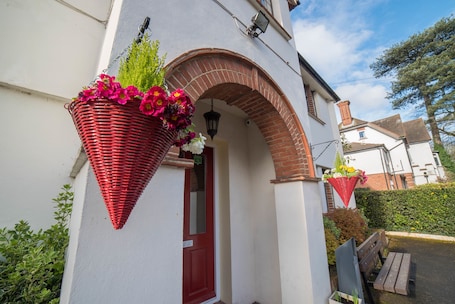

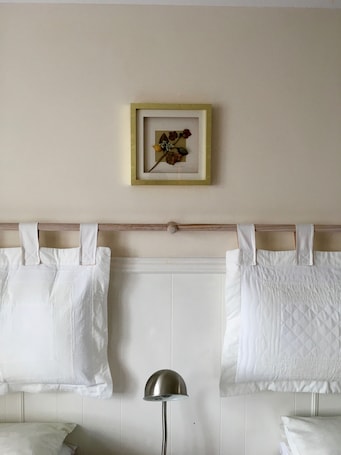
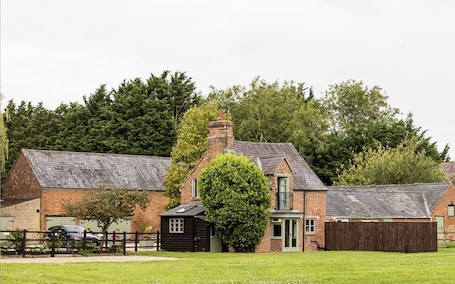


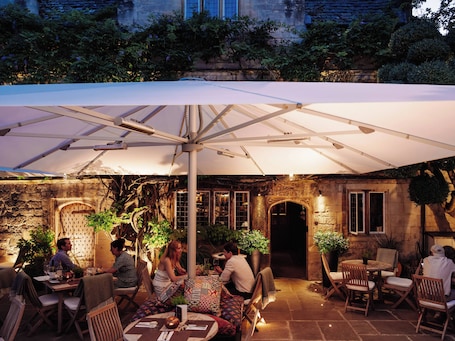
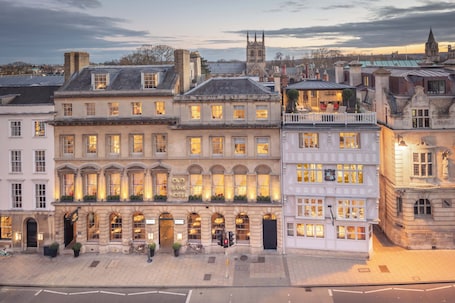

| Hotel | Area | Rating | Price / night |
|---|---|---|---|
| easyhotel Oxford ★★★ | Summertown | ★ 4 | 83 €/nuit |
| Your Oxford Stay ★★★★ | South Oxford | ★ 4 | 96 €/nuit |
| No.192 Oxford ★★ | East Oxford | ★ 4.3 | 104 €/nuit |
| Linton Lodge Hotel, BW Signature Collection ★★★ | North Oxford | ★ 4.1 | 105 €/nuit |
| Euro Bar and Hotel ★★★ | Centre-ville d'Oxford | ★ 2.6 | 106 €/nuit |
| Hampton by Hilton Oxford ★★★ | Littlemore | ★ 4.5 | 108 €/nuit |
| Holiday Inn Oxford by IHG ★★★★ | Gosford et Water Eaton | ★ 4.4 | 109 €/nuit |
| Leonardo Royal Hotel Oxford ★★★★ | Wolvercote | ★ 4.3 | 110 €/nuit |
| Oxford Guest House ★★★★ | Headington | ★ 4.4 | 117 €/nuit |
Oxford is one of England's most visited cities, and for good reason. The university's collegiate architecture, the Covered Market, the Ashmolean Museum, and the Thames-side meadows make it a destination that rewards slow exploration on foot. Staying centrally means you can wander between Radcliffe Camera and Christ Church Meadow without ever needing a bus.
That said, Oxford is compact enough that even slightly peripheral neighbourhoods connect to the centre quickly. The city draws a mixed crowd: academics, cultural tourists, weekend city-breakers from London (just 60 minutes by train), and families visiting the university. Booking ahead is essential during graduation season in late June and during the summer peak, when rooms fill fast and prices rise noticeably.
Which area to stay in Oxford?
- City Centre (High Street, Broad Street): The obvious base for first-time visitors. Colleges, museums, and the covered market are all walkable. Hotels here tend to be pricier, but you pay for convenience and atmosphere.
- Jericho: A characterful neighbourhood north-west of the centre with independent cafes, the Phoenix Cinema, and a canal. A short walk to the city core and popular with those who want a local feel over a tourist-heavy setting.
- South Oxford (Cowley Road area): More residential and diverse, with a strong independent food and nightlife scene along Cowley Road. The Ethos Hotel sits in this pocket. Slightly further from the main sights but easy to reach by bus or on foot.
- North Oxford: Tree-lined Victorian streets close to the University Parks and several colleges. Quieter and residential, it suits travellers who prefer a calmer environment and do not mind a 15-20 minute walk into the centre.
- Thame and the Eastern Fringe: The Oxford Belfry Hotel is located in Thame, about 13 miles east. Best for drivers who want countryside surroundings, a spa, and lower base rates, while still day-tripping into Oxford.
- Gosford and Water Eaton (Northern Outskirts): A suburban area near the A34. Practical for road travellers, with Park and Ride access into the centre. The Holiday Inn Oxford sits here and suits those prioritising value and easy car access.
Good to know
- Book well in advance for late June: Oxford's graduation ceremonies and summer tourism combine to create a serious room shortage from mid-June through July. Prices spike and availability collapses with little warning.
- Use the Park and Ride, do not drive into the centre: Oxford has heavily restricted city-centre traffic. The Park and Ride network (five sites around the ring road) is cheap, frequent, and drops you close to the main sights. Driving in wastes time and money.
- Train from London is faster than it looks: Oxford is served directly from London Paddington (around 55-65 minutes) and Marylebone (around 65-90 minutes). For visitors coming from the capital, there is no need to rent a car at all.
- Shoulder season (March to May and September to October) offers the best balance: Crowds are thinner, gardens and parks look excellent, and hotel rates are noticeably more reasonable than peak summer. The city is also very lively during university term time, which adds atmosphere.
- Walking is the default mode of transport: The city centre is compact. From the train station to Carfax (the historic crossroads) is about a 12-minute walk. A reliable pair of shoes and a good map covers most sightseeing without any transit at all.
What to know about hotels in Oxford?
What is the best area to stay in Oxford for sightseeing?+
The city centre is the strongest choice for anyone focused on the university colleges, museums, and the main shopping streets. Hotels like the Old Bank Hotel, Vanbrugh House Hotel, Mercure Oxford Eastgate, Courtyard by Marriott, and The Store all sit within the central area, meaning the Bodleian Library, Radcliffe Camera, and Christ Church are within easy walking distance. South Oxford is a decent second option if you want a slightly calmer setting without straying too far.
When is the best time to visit Oxford?+
Late spring (April to May) and early autumn (September to October) are the most comfortable times to visit. The weather is mild, the university is in session, and the tourist crowds are smaller than in July and August. Avoid late June if you have no specific reason to be there, as graduation season makes accommodation both scarce and expensive.
How do I get from Oxford Airport or London airports to the city centre?+
Oxford itself has no commercial airport. Most visitors fly into London Heathrow, from where the Oxford Tube or the X90 bus services run directly to Oxford city centre in around 90 minutes to two hours depending on traffic. From London Gatwick, a train to Reading and then onward to Oxford is usually the fastest route. The Oxford Bus Company and Stagecoach both operate frequent coach connections from Heathrow.
What is the average nightly hotel rate in Oxford?+
Based on current availability, four-star hotels in Oxford range from around 128 euros per night at the Oxford Belfry (in Thame, outside the city) to 376 euros per night at the Old Bank Hotel in the city centre. Centrally located four-star options generally fall between 170 and 280 euros. The five-star Store is priced at 309 euros per night. Rates rise significantly during university events and peak summer.
Is Oxford easy to explore without a car?+
Yes, Oxford is one of the most walkable cities in England. The historic core is compact, and almost every major attraction sits within a 20-minute walk of the train station. Buses are frequent and reliable for reaching peripheral neighbourhoods or park-and-ride sites. A car is only genuinely useful if you are staying outside the city, for example in Thame or at a property near the ring road, and plan to explore the surrounding Cotswolds countryside.
Plan your stay in Oxford
Tell us your wish, your dates and your budget. Charlize puts together hotels, activities and tables in one conversation.